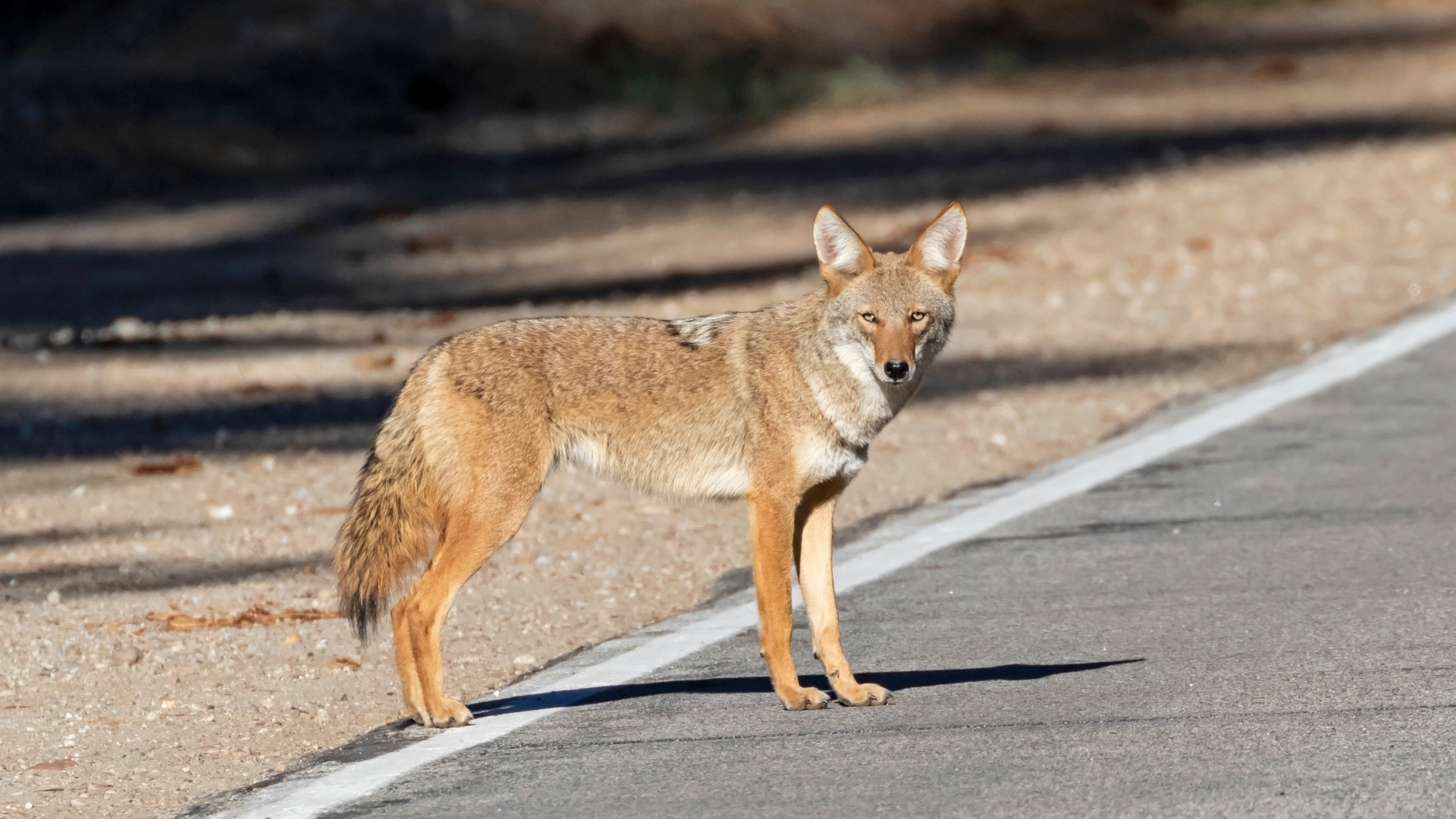
The Growing Presence Of Coyotes In Urban Areas
Coyotes That Walk City Streets After Midnight
Coyotes have become a familiar sight in places where few people expected to encounter them. Once associated primarily with open prairies, deserts, and rural landscapes, these highly adaptable canines are now appearing in neighborhoods, business districts, parks, and other developed environments throughout North America. In many communities, reports of coyotes moving through streets after dark or crossing residential properties during the early morning hours have become increasingly common.
Their growing presence is not the result of a single factor. Urban expansion, changing land use patterns, and the remarkable adaptability of coyotes have all contributed to their success in developed areas. As cities continue to grow outward and natural habitats become divided into smaller sections, these adaptable canines have demonstrated an impressive ability to adjust. Rather than disappearing in the face of human development, they have learned how to use urban landscapes as part of their territory.
From Open Country To Urban Communities
For much of recorded history, coyotes occupied large portions of western North America. They were commonly found in grasslands, deserts, brush-covered terrain, and agricultural regions. During the last century, however, their range expanded dramatically. Today, these creatures can be found from coast to coast and in some of the continent's largest metropolitan areas.
Part of this expansion stems from their exceptional adaptability. Unlike species that rely on a narrow range of habitat conditions, coyotes can make use of a variety of environments. They are capable of finding shelter, food, and travel routes in locations that contain a mixture of natural and developed features.
Their intelligence also contributes significantly to their success. Coyotes learn quickly and adjust their behavior when conditions change. Whether navigating a suburban neighborhood, crossing a busy corridor at night, or locating food sources within a fragmented landscape, they display a level of flexibility that has allowed them to thrive where many other predators struggle.
Food availability plays a major role as well. The species consumes a diverse diet that can include rodents, rabbits, insects, fruits, berries, and other naturally occurring food sources. This dietary flexibility allows them to survive in areas where food resources fluctuate throughout the year.
As urban and suburban regions continue to expand, many communities now sit directly within territory that these canines use for travel, feeding, and breeding activities.
Why These Animals Become More Visible After Dark
Many people are surprised to learn that coyotes may be present in an area long before anyone notices them. Their tendency to move during quieter periods helps explain why sightings often occur late at night or shortly before sunrise.
Human activity creates numerous obstacles during the day. Traffic, pedestrian movement, construction activity, and general noise can make daytime travel more challenging for wildlife. By becoming more active after dark, coyotes can move through developed areas with fewer disturbances.
Nighttime conditions also provide practical advantages. Streets become quieter, parks empty out, and many outdoor activities come to an end. These circumstances create opportunities to travel efficiently between habitat areas while reducing the likelihood of direct encounters with people.
Their nighttime movements often serve several purposes. One of the most important is locating food. These predators spend considerable time searching for prey such as mice, voles, and other small mammals. Insects, fruits, and seasonal vegetation may also become part of their diet depending on local conditions.
Territorial behavior represents another significant reason for their movement. These predators maintain and monitor territories that can cover substantial distances. As they travel, they may investigate boundaries, leave scent markers, and remain aware of neighboring coyotes occupying nearby areas.
Urban environments frequently contain pockets of suitable habitat separated by roads, buildings, and residential developments. They routinely move between these locations, creating travel patterns that may bring them through neighborhoods during the quietest parts of the day.
How They Navigate Developed Landscapes
One of the most fascinating aspects of urban coyote behavior is their ability to move through heavily developed environments while remaining largely unnoticed. Although cities may appear dominated by buildings and pavement, numerous travel corridors exist that wildlife can use.
Creek beds often function as natural pathways. Even narrow waterways can provide cover and connectivity between larger habitat areas. Drainage channels, stormwater corridors, and utility easements may serve similar purposes. Greenbelts and wooded strips can also create convenient routes that allow movement across considerable distances.
These animals frequently take advantage of these features because they provide access to resources while limiting exposure to human activity. In many cases, an animal can travel across significant portions of a community without spending much time in open areas.
Neighborhoods themselves can become part of these travel routes. Quiet streets, community parks, undeveloped lots, and landscaped open spaces may all contribute to movement patterns. Because much of this activity occurs during low-traffic periods, residents often remain unaware of nearby wildlife until a direct sighting occurs.
The growing appearance of coyotes in communities is closely tied to broader changes in land use. As residential development expands into previously undeveloped regions, natural habitats become divided into smaller sections. Wildlife species capable of adapting to fragmented environments often continue using these areas, even after significant development occurs.
This species has proven particularly effective at making this adjustment. Rather than abandoning altered landscapes, these adaptable mammals frequently incorporate developed properties into established territories. Their ability to coexist near human populations has allowed them to occupy locations that might once have been considered unsuitable for a medium-sized predator.
Understanding Urban Canine Activity In Modern Cities
Direct sightings are among the most obvious indicators of activity. Residents may observe a coyote crossing a road before sunrise, moving through a park after sunset, or briefly appearing near wooded sections of a neighborhood. These encounters can seem unusual, but they often reflect routine travel behavior rather than anything out of the ordinary.
Physical evidence can reveal their presence even when sightings remain uncommon. Tracks may appear in muddy areas, along trails, or near creek crossings. Scat can often be found on paths, field edges, and other locations used during territorial patrols. Vocalizations, including yips and howls, may occasionally be heard during the evening or overnight hours.
Trail cameras have provided additional insight into how frequently these canids use developed landscapes. Many property owners discover photographs of these animals moving through areas where no one had previously reported seeing them. These images highlight how effectively the animals navigate urban environments while avoiding attention.
In most situations, these wild canids generally prefer to avoid close interaction with people. Their activity patterns often center around periods when human presence is reduced, helping them move efficiently through occupied landscapes.
Seasonal changes can influence behavior and visibility. During breeding season, members of this species may exhibit increased territorial activity and travel more extensively within established ranges. When pups are being raised, adults often increase food-gathering efforts and make repeated trips between feeding locations and denning areas.
Coyotes are likely to remain a visible part of many urban and suburban landscapes. Their adaptability allows them to thrive in a wide range of conditions, and their ability to adjust to changing environments has contributed significantly to their continued expansion. As development reshapes portions of the continent, these adaptable canines have repeatedly demonstrated an ability to find opportunities within those changes rather than being displaced by them.
Coyotes have become one of North America's most adaptable predators. Their intelligence, flexible behavior, and ability to move through developed environments after dark have allowed them to establish territories in places that once seemed unlikely to support large wildlife populations. If you are noticing increased animal activity around your property or have concerns about wildlife presence in your community, don't hesitate to
contact us today at Wildlife Resolutions for professional assistance. Our team can evaluate the situation, provide guidance, and help address wildlife issues with effective, responsible solutions.