Wildlife Habits That Increase Re-Entry Risk
How Animal Behavior Leads To Repeat Infestations
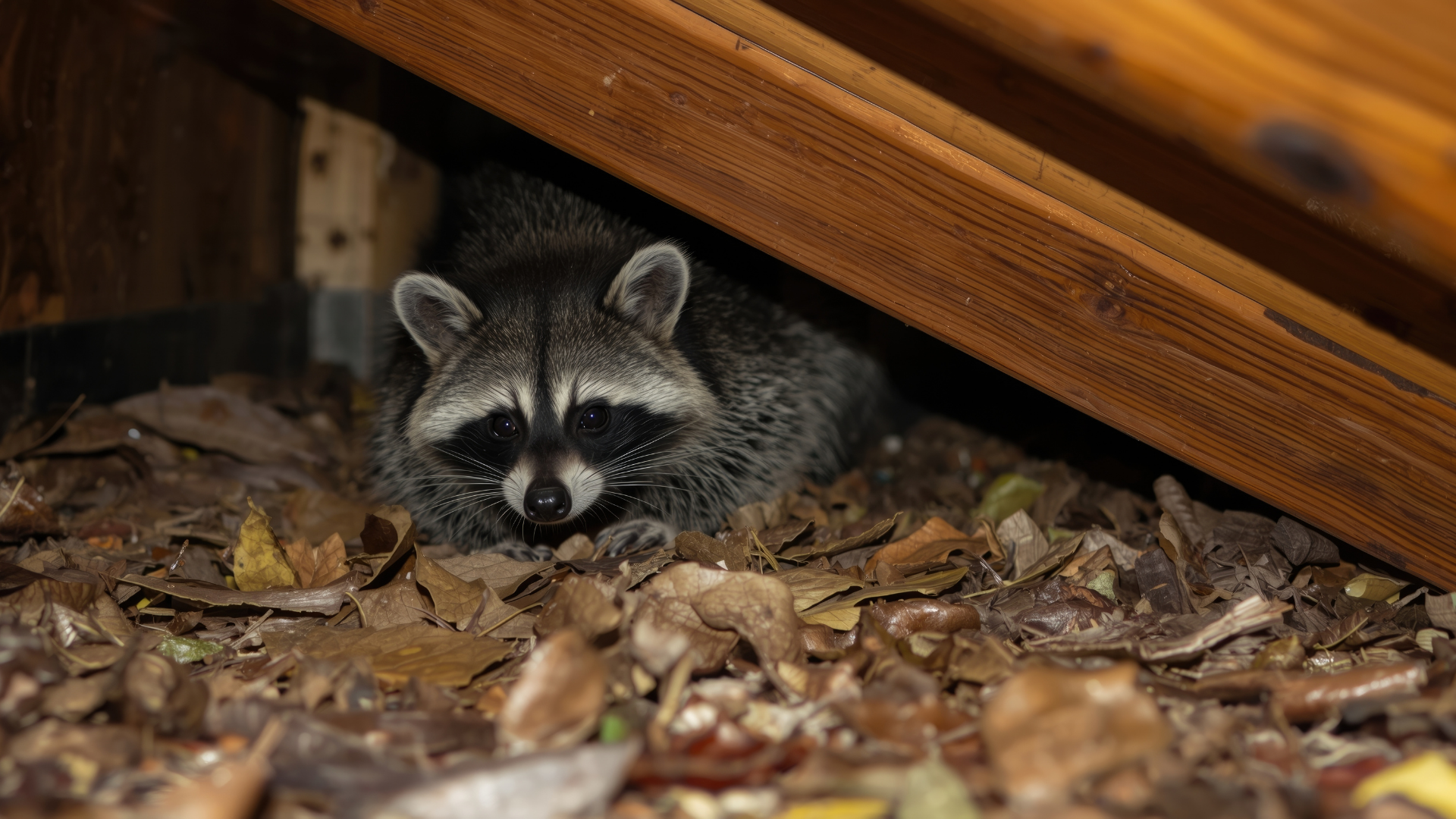
Territorial behavior sits at the center of many repeat wildlife issues. When an animal establishes a territory, that space becomes more than a temporary shelter. It turns into a defended zone tied to survival, breeding opportunities, and access to food. Many species rely on scent markings, visual cues, and habitual travel paths to reinforce those boundaries. Once those signals are in place, the animal recognizes the area as familiar and valuable.
This sense of ownership explains why removal alone often fails to end the problem. If the underlying territorial triggers remain, the animal may attempt to reclaim the space. Even if the original individual does not return, another of the same species may detect lingering markers and interpret the site as suitable habitat. Structures that offer warmth, elevation, or concealment align closely with natural territory selection, especially when human activity creates predictable food availability or quiet shelter zones.
Territorial memory also plays a role. Animals navigate using learned routes and reference points rather than constant exploration. When a structure falls within a familiar range, it becomes a predictable stop rather than an unknown risk. The presence of prior nesting material, established entry points, or worn travel paths reinforces that pull. The building reads as known ground, which lowers hesitation and increases the likelihood of repeat intrusion. In dense neighborhoods, these learned movement patterns become even more reinforced as natural spaces shrink.
Scent Marking, Social Signals, And Persistent Attraction
Scent communication drives much of territorial behavior. Urine, gland secretions, and droppings transmit information about dominance, reproductive status, and prior occupancy. These signals linger far longer than many property owners expect. Even after visible debris is removed, microscopic residue can continue advertising the location to passing animals.
For certain species, scent marks function as an invitation rather than a deterrent. A vacated territory marked by a previous occupant can signal opportunity to competitors or potential mates. This creates a cycle where removing one animal opens the door for another, particularly during breeding seasons or population shifts. Without proper neutralization of these cues, the structure continues broadcasting availability. Air movement within walls, attics, and crawl spaces can spread odor particles deeper into the structure, expanding the area of attraction.
Social behavior further complicates the situation. Some animals tolerate overlapping territories, especially in suburban or urban settings where space is limited. A single attic or crawl space may attract multiple individuals at different times, each responding to the same signals. This overlap raises the chance of repeated activity even when entry points appear unchanged. Noise, vibration, and light from human activity may seem disruptive, yet many adaptable species adjust quickly and incorporate those conditions into their territorial expectations.
Human modifications amplify these effects. Garbage storage habits, outdoor feeding, pet food, and landscaping choices unintentionally strengthen territorial signals by supplying consistent resources. When food and shelter align within a marked zone, the motivation to maintain that territory increases, making return attempts more persistent and determined.
How Seasonal Patterns Reinforce Territorial Claims
Seasonal shifts influence how strongly animals defend territory. During breeding periods, the drive to secure a reliable nesting area intensifies. A structure that provided protection once often becomes a priority location the following year. This pattern explains why infestations frequently reappear at similar times annually, even after long periods without visible activity.
Young animals raised within a territory often return to similar environments as they mature. The learned association between human structures and survival advantages shapes future site selection. This generational familiarity contributes to long-term recurrence, even when gaps exist between incidents. Dispersal and migration periods can spread this learned preference across broader areas, increasing the pool of animals drawn to the same types of structures.
Weather extremes also reinforce territorial attachment. Cold snaps, heavy rainfall, or heat waves push animals toward locations that previously provided relief. A building that helped an animal endure harsh conditions gains increased value. When similar weather patterns return, the memory of shelter pulls animals back, sometimes with greater urgency than before.
Seasonal food availability matters as well. Fruit-bearing trees, gardens, or nearby water sources create predictable attraction cycles. When these elements overlap with established territorial markers, the structure becomes part of a broader survival map rather than a random stop.
Why Long-Term Resolution Requires Addressing Behavior
Repeat infestations persist when solutions focus only on removal without addressing the behavioral drivers behind return activity. Territorial animals respond to cues rather than intent. Closing an entry point helps, but if surrounding signals remain unchanged, the motivation to regain access continues.
Effective prevention considers how animals perceive the property as a whole. This includes eliminating scent residues, modifying environmental attractants, and disrupting habitual access routes. Structural reinforcement matters, yet it works best when paired with an understanding of territorial psychology. When the space no longer registers as claimed or valuable, return pressure drops significantly. Adjustments to lighting, noise exposure, and surface textures can further reduce the familiarity that supports repeat visits.
Behavior-focused strategies also reduce the likelihood of new occupants replacing previous ones. By removing signals that advertise suitability, the structure stops functioning as a territorial beacon. This shifts the property from a known resource to a neutral area, lowering repeated interest across changing seasons.
Understanding these patterns helps property owners see why earlier attempts may not have worked. Territorial behavior is persistent, adaptive, and influenced by subtle factors that are easy to overlook without specialized insight.
Repeat wildlife activity rarely happens by chance. Territorial behavior, reinforced by scent, memory, seasonal pressures, and environmental cues, drives animals to reclaim spaces they recognize as valuable. Addressing these influences requires more than short-term fixes. It calls for informed strategies that interrupt the signals drawing animals back while strengthening the structure against renewed access. At Wildlife Resolutions, our approach centers on identifying and correcting the behavioral triggers behind recurring infestations so properties can move beyond repeated disruptions. If you are dealing with ongoing wildlife issues,
contact us
today to discuss a solution that's designed to address the root causes rather than temporary symptoms.