Common Triggers For Wildlife Intrusions
Events That Cause Sudden Animal Activity Indoors
Wild animals tend to follow predictable patterns tied to food, shelter, and seasonal behavior, yet those patterns can shift quickly when conditions change. Sudden intrusions into properties often feel random, but they usually stem from disruptions in the surrounding environment or opportunities created by the structure itself. Environmental changes, structural disruptions, and shifts in food or shelter availability can significantly increase the likelihood of animals entering indoor spaces.
Understanding what drives these changes helps clarify why activity can appear abruptly. A quiet attic or crawlspace can become appealing within a short period if external pressures push animals to seek alternative shelter. What appears to be an isolated event often reflects broader conditions affecting local populations. Recognizing these triggers provides a more complete picture of how wildlife adapts and why residential properties can become unintended targets.
Environmental And External Factors That Influence Movement
Animal behavior is shaped by the availability of natural resources and the stability of surrounding habitats. When those elements are disrupted, local species adjust quickly. Environmental changes such as deforestation, flooding, drought, or temperature fluctuations can alter where creatures forage and rest. A once reliable food source may disappear, forcing them to expand their range and explore unfamiliar territory, including human structures.
Construction and land disturbance near homes play a major role in this shift. Clearing land for development removes nesting areas and disrupts established pathways. Heavy machinery, vibrations, and increased human activity can displace critters that previously remained hidden. As a result, nearby houses may become the closest available alternative for shelter.
Seasonal transitions also contribute to increased indoor movement. As temperatures drop, animals begin searching for warmer environments that offer protection from cold conditions. During warmer months, breeding cycles can lead to increased movement as they seek secure spaces to raise young. These seasonal pressures often align with spikes in indoor intrusions, particularly in attics, wall voids, and basements.
Weather events can accelerate this process. Severe storms, prolonged rainfall, or extreme heat can drive animals toward structures that provide immediate protection. A sudden shift in conditions may leave many creatures with limited options, increasing the likelihood of entry into homes. These events do not need to be extreme to have an impact. Even moderate changes can influence behavior when combined with other environmental pressures.
Loss of food sources in nearby areas is another critical factor. Changes in vegetation, competition from other animals, or human activity can reduce access to natural nutrition. When food becomes scarce, animals are more likely to investigate trash containers, pet food, or other accessible sources around residential properties. This exploration can lead them closer to entry points they might otherwise ignore.
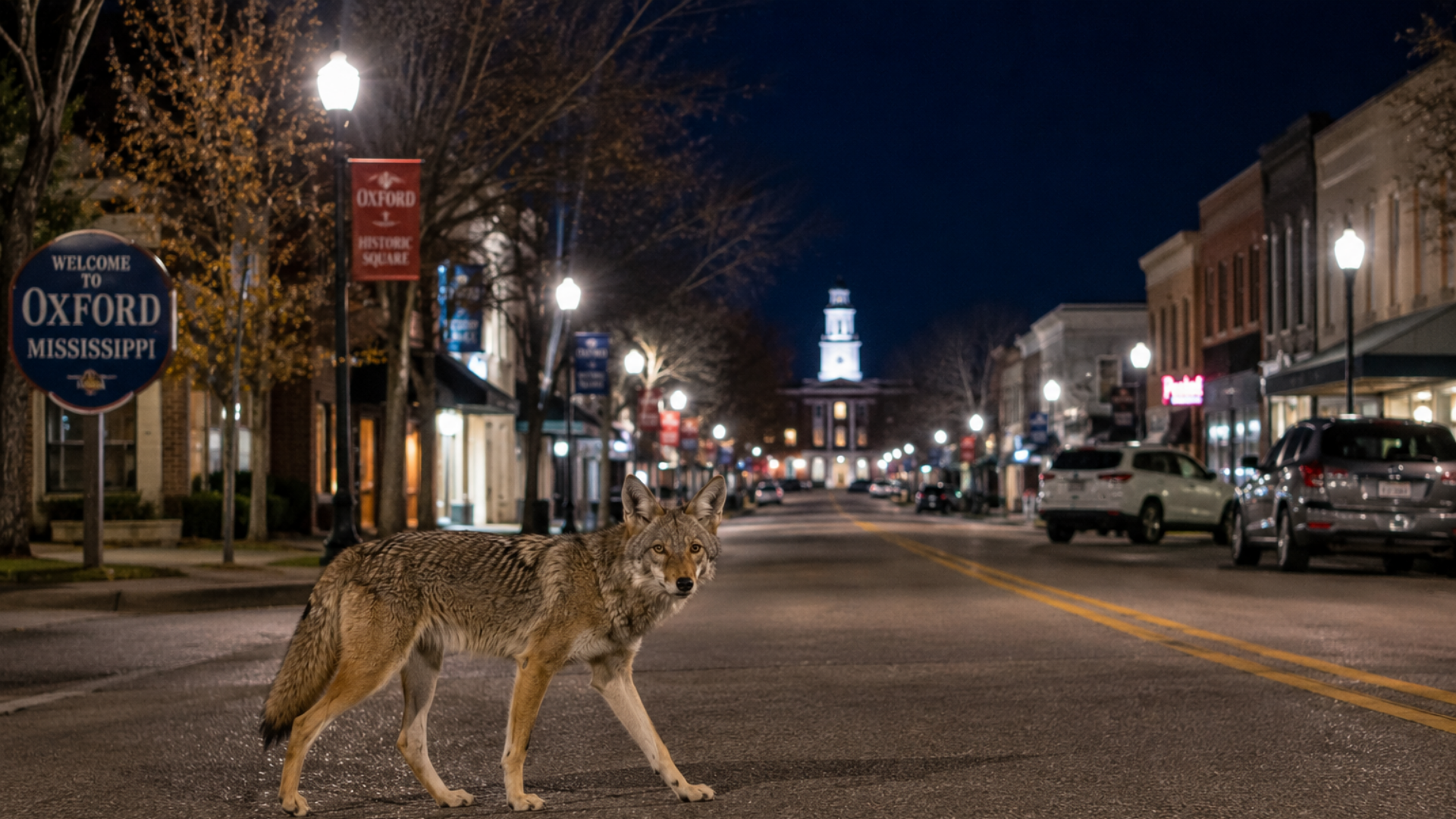
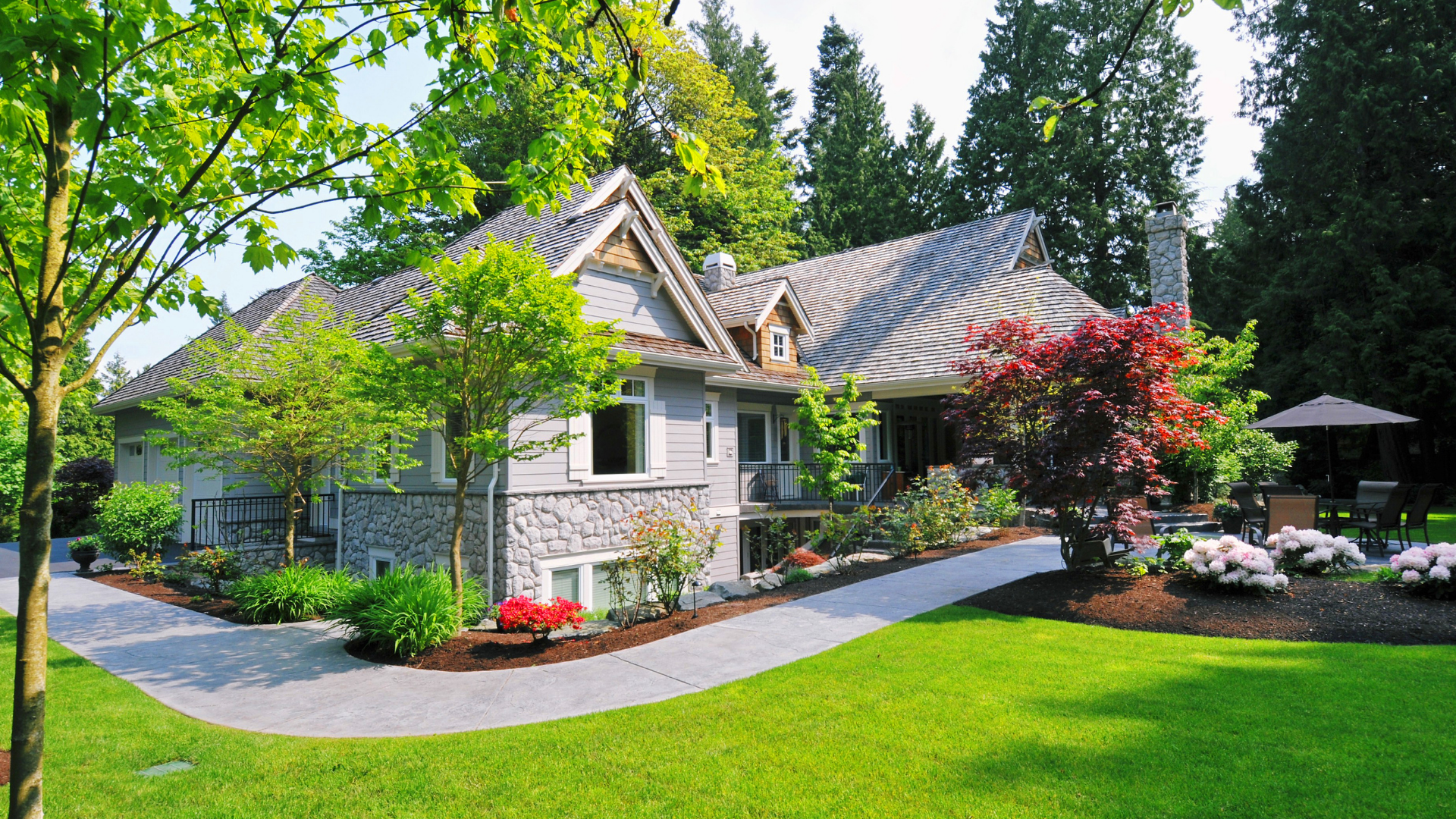
Urban expansion further intensifies these dynamics. As neighborhoods grow outward, they overlap with existing habitats. Animals that once lived at a distance are now in closer proximity to homes. This proximity increases the chances of interaction and raises the likelihood of animals attempting to enter structures in search of shelter or resources.
Structural Opportunities And Indoor Shelter Appeal
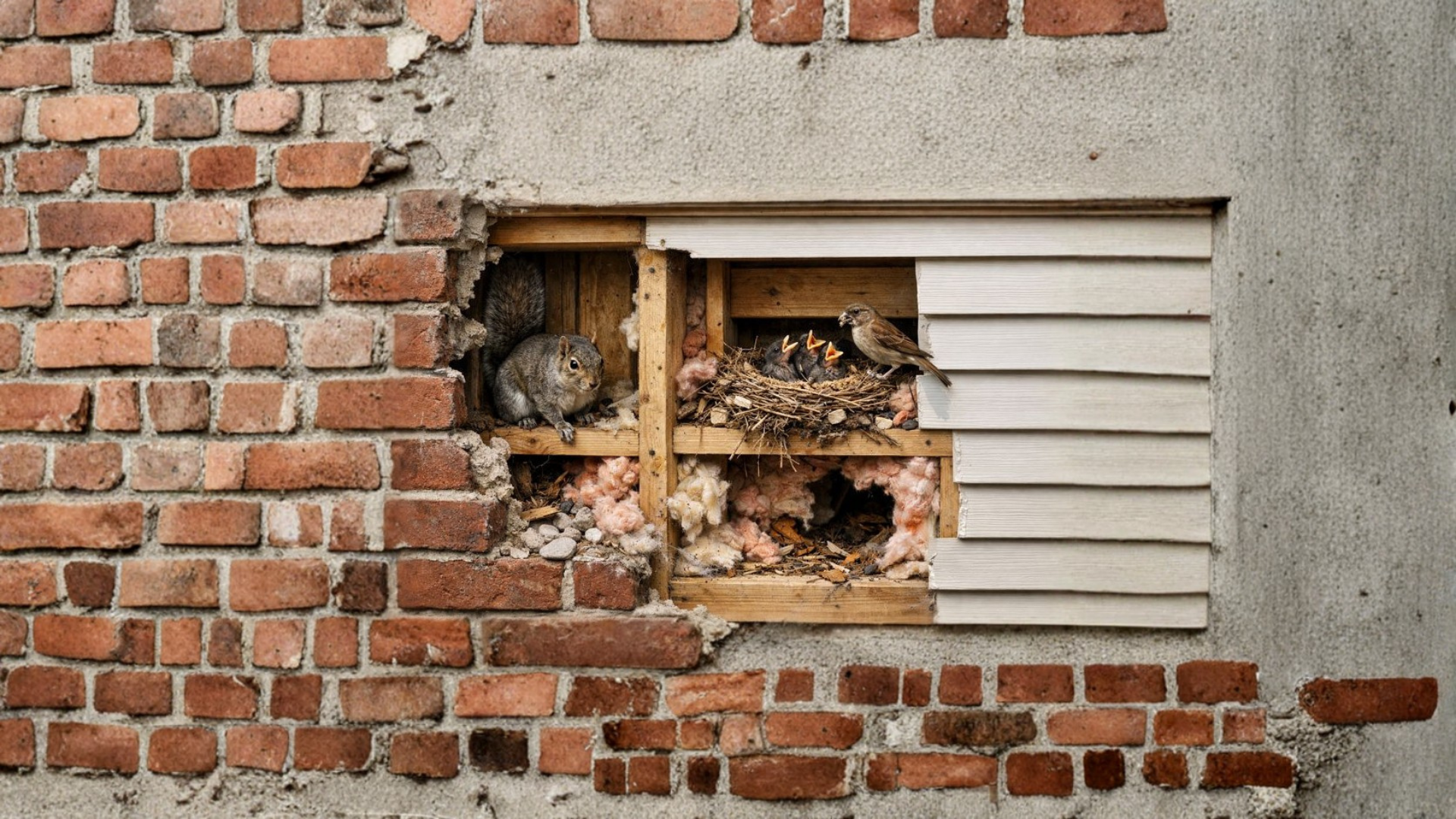
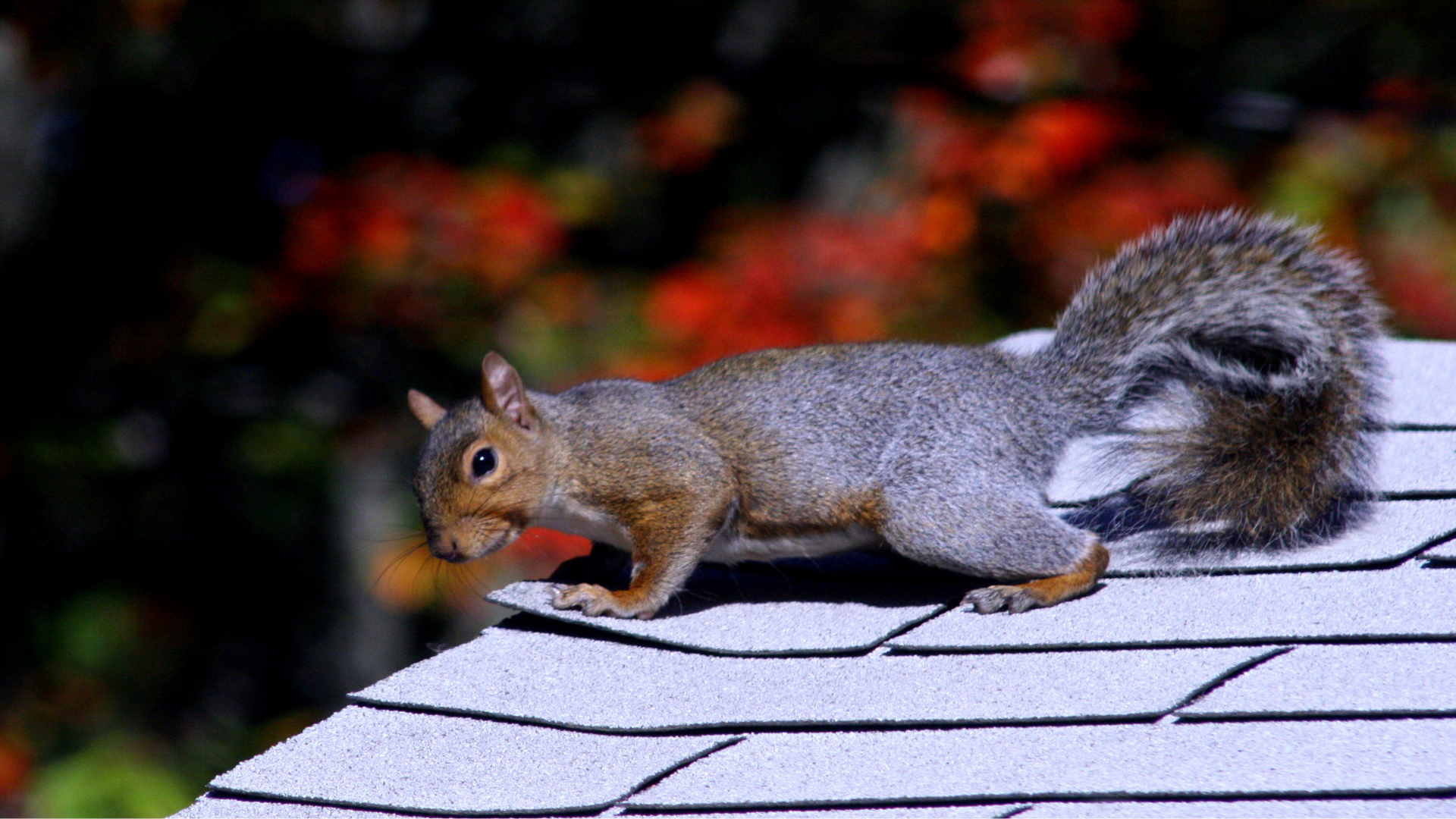
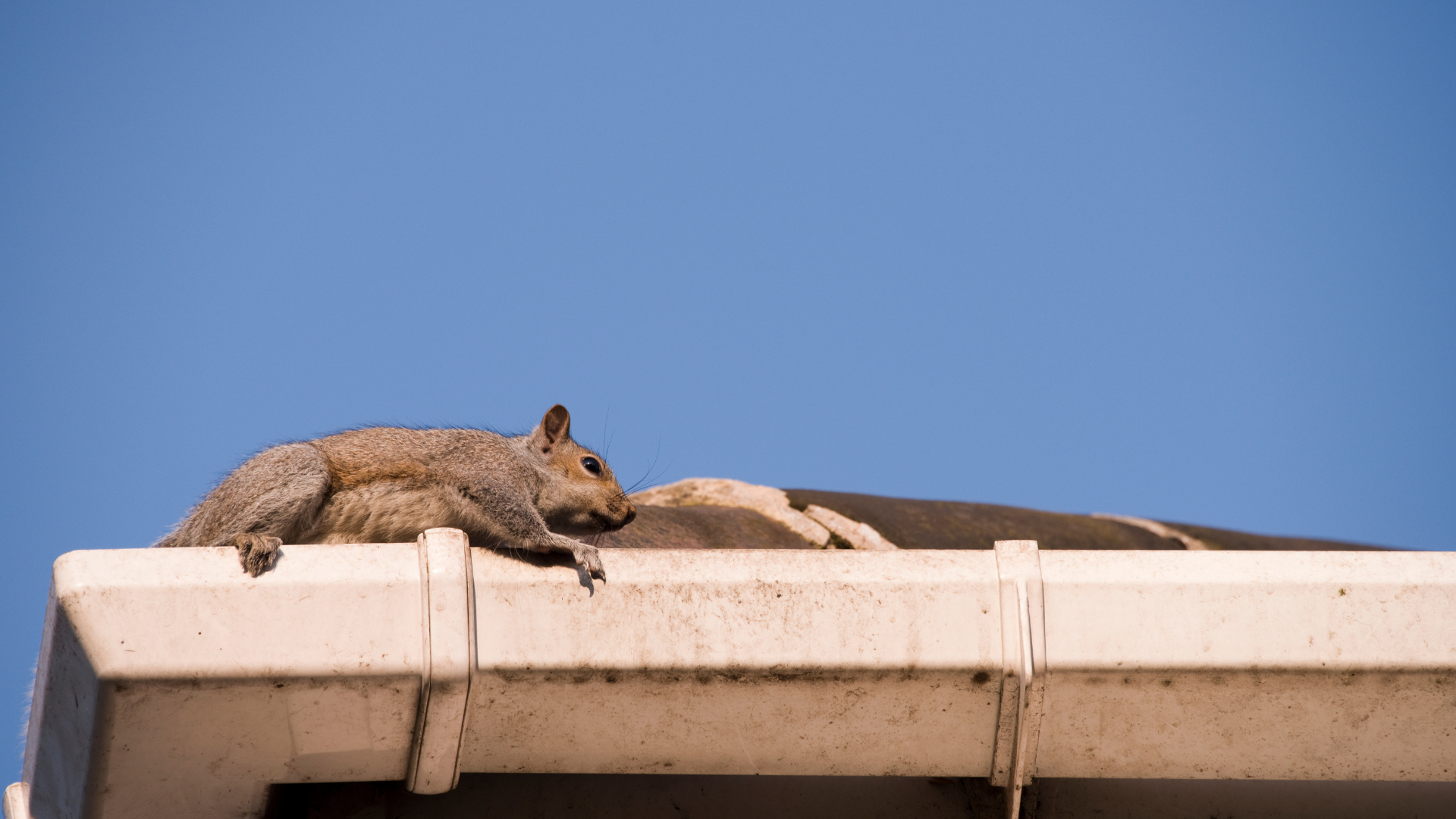
While environmental pressures push animals closer to homes, structural vulnerabilities often determine whether they gain entry. Small gaps in roofing, damaged vents, loose siding, or openings around utility lines can provide access points that go unnoticed. These vulnerabilities may seem minor, but they are sufficient for many species to enter and establish themselves.
Attics, crawlspaces, and basements are particularly attractive as shelter. These areas tend to be quiet, enclosed, and protected from external threats. Insulation provides warmth, while limited human activity creates a sense of security. Once an animal discovers such a space, it may remain there for extended periods, especially if conditions outside remain unfavorable.
The presence of one animal can also lead to ongoing issues. Scent trails, nesting materials, and waste can attract additional wildlife or encourage repeat activity. What begins as a single-entry event can evolve into a more persistent situation if the underlying conditions are not addressed.
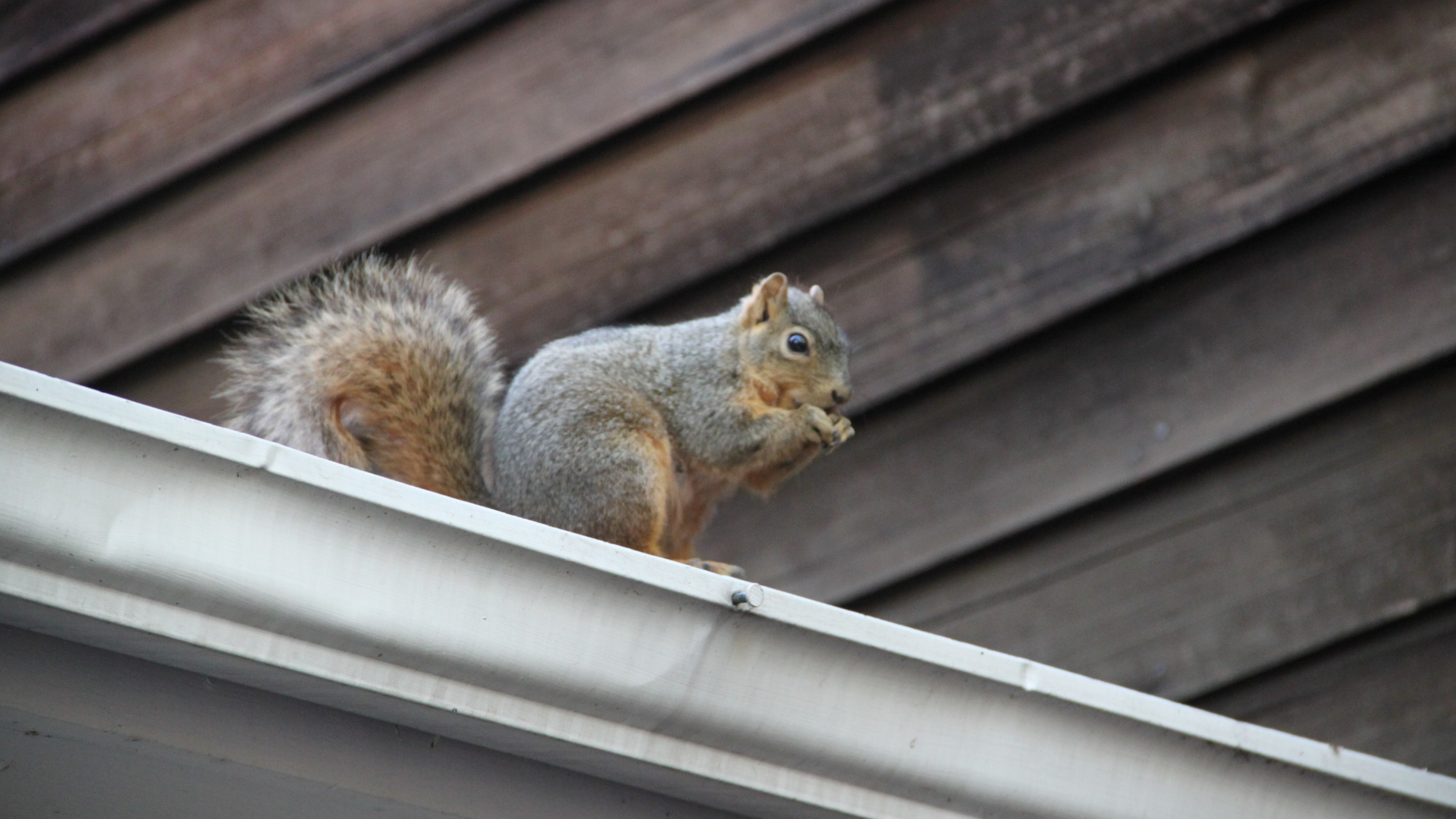
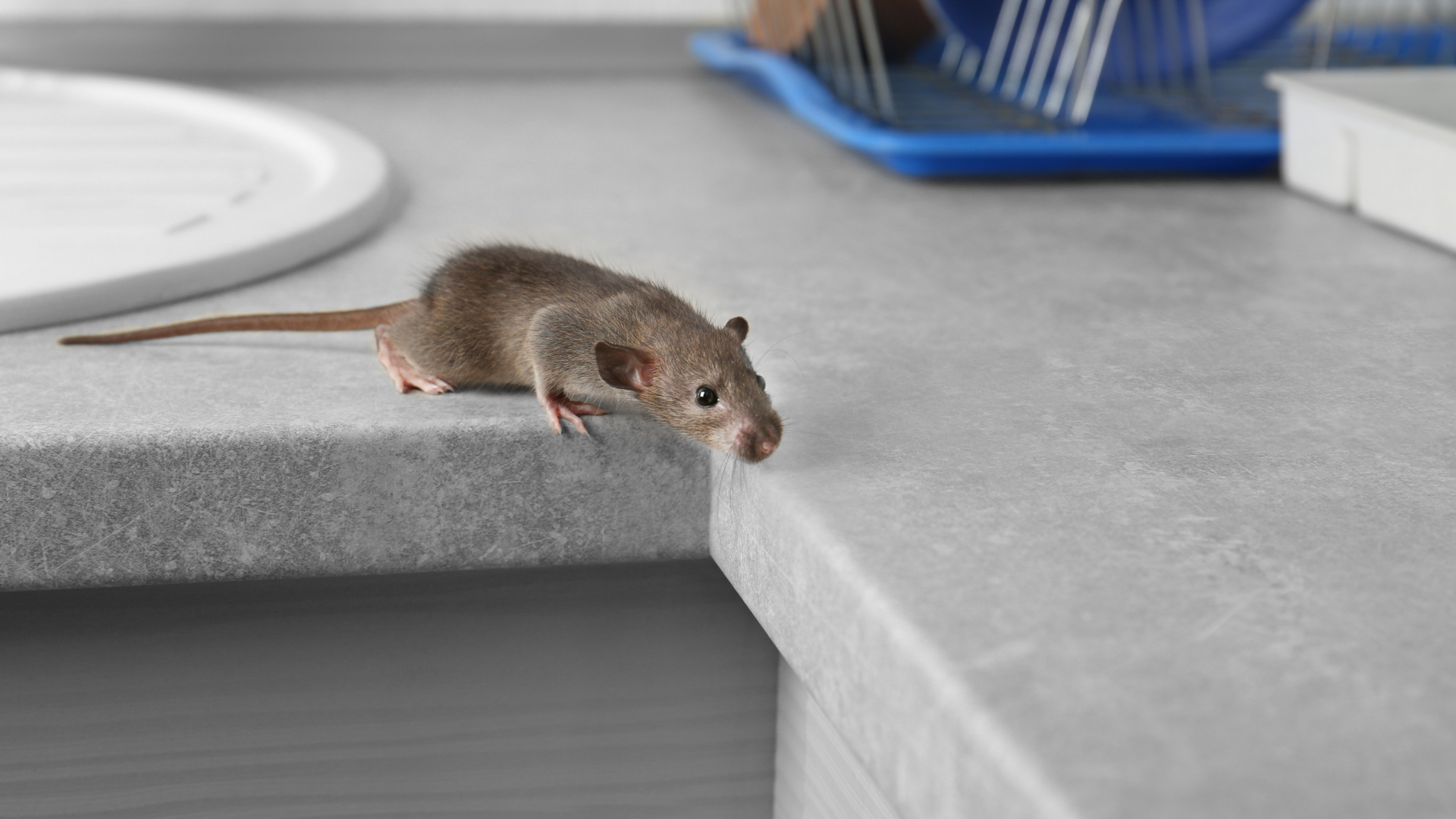
Certain species are more commonly associated with indoor intrusions due to their adaptability. Raccoons, squirrels, bats, and rodents frequently take advantage of structural openings. Each species has unique behaviors, but they share a common ability to exploit weaknesses in a building’s exterior. Their presence often reflects a combination of environmental pressure and accessible entry points.
Signs of sudden activity inside the home can vary. Unusual noises in walls or ceilings, scratching sounds, droppings, or damaged materials often indicate that something has entered the structure. These signs may appear subtle at first, but can escalate as the animal becomes more active or as additional intruders follow.
The connection between outdoor conditions and indoor activity is often overlooked. Changes in the surrounding environment directly influence what happens inside the home. When external habitats become less stable, indoor spaces become more appealing by comparison. This relationship highlights the importance of considering both environmental and structural factors when evaluating wildlife intrusions.
Human Influence, Detection, And Long Term Prevention
Human habits can unintentionally contribute to increased wildlife presence. Leaving food sources accessible, such as unsecured trash or pet food, can attract animals to the property. Once critters begin visiting regularly, they are more likely to explore nearby structures. Landscaping choices can also play a role. Dense vegetation close to the home can provide cover and make it easier for wild creatures to approach unnoticed.
Distinguishing between occasional intrusions and established activity is essential. A single animal entering briefly may not indicate a larger issue, but repeated signs of activity suggest that conditions are favorable for continued presence. Established activity often involves nesting, repeated entry, and increased damage, requiring more comprehensive attention.
Early detection and monitoring practices can make a significant difference. Paying attention to subtle changes, such as new sounds or minor damage, allows homeowners to respond before the situation escalates. Regular inspections of roofing, vents, and foundation areas can help identify vulnerabilities that might otherwise go unnoticed.
Consistent property maintenance plays a key role in reducing risk. Addressing structural issues promptly, securing potential entry points, and managing food sources can limit opportunities for wildlife to enter. These measures do not eliminate the possibility of intrusion, but they reduce the likelihood by removing the conditions that attract animals.
Ignoring initial intrusions can lead to more complex problems. Animals that remain inside a structure can cause damage to insulation, wiring, and other materials. Their presence can also lead to secondary issues, such as odors or contamination. What begins as a minor concern can develop into a more extensive situation if left unaddressed.
Wildlife intrusions rarely occur without cause. They reflect shifting conditions in the surrounding environment, combined with opportunities created by the structure itself. Attention to early warning signs and consistent maintenance can limit the chances of a minor issue developing into a larger concern. If you are dealing with unexpected wildlife presence or want to strengthen your property against future intrusions, don’t hesitate to
contact us today at Wildlife Resolutions for experienced guidance and solutions that are customized to your situation.