How Landscaping Affects Wildlife Intrusions
The Role Of Outdoor Design In Attracting Wild Animals
Landscaping shapes more than curb appeal. Every tree line, garden bed, and water feature subtly communicates with the surrounding environment, including the animals that live nearby. Wildlife does not recognize property boundaries in the same way people do. Instead, animals respond to shelter, food availability, and access to water. When a landscape provides those elements in convenient ways, it can quietly encourage animals to wander closer to homes and structures. Understanding how design choices influence wildlife behavior helps explain why certain properties experience frequent intrusions while others see far less activity.
Vegetation Density And Natural Shelter Patterns
Plants form the backbone of any outdoor space, and they also act as a powerful signal to local wildlife. Dense shrubs, layered plantings, and overgrown hedges often resemble the edge of a forest or meadow, which many species rely on for cover. When vegetation creates hidden corridors or shaded pockets, animals feel less exposed and more willing to move through an area. Small mammals, reptiles, and birds are especially drawn to spaces where they can travel unseen and retreat quickly if startled.
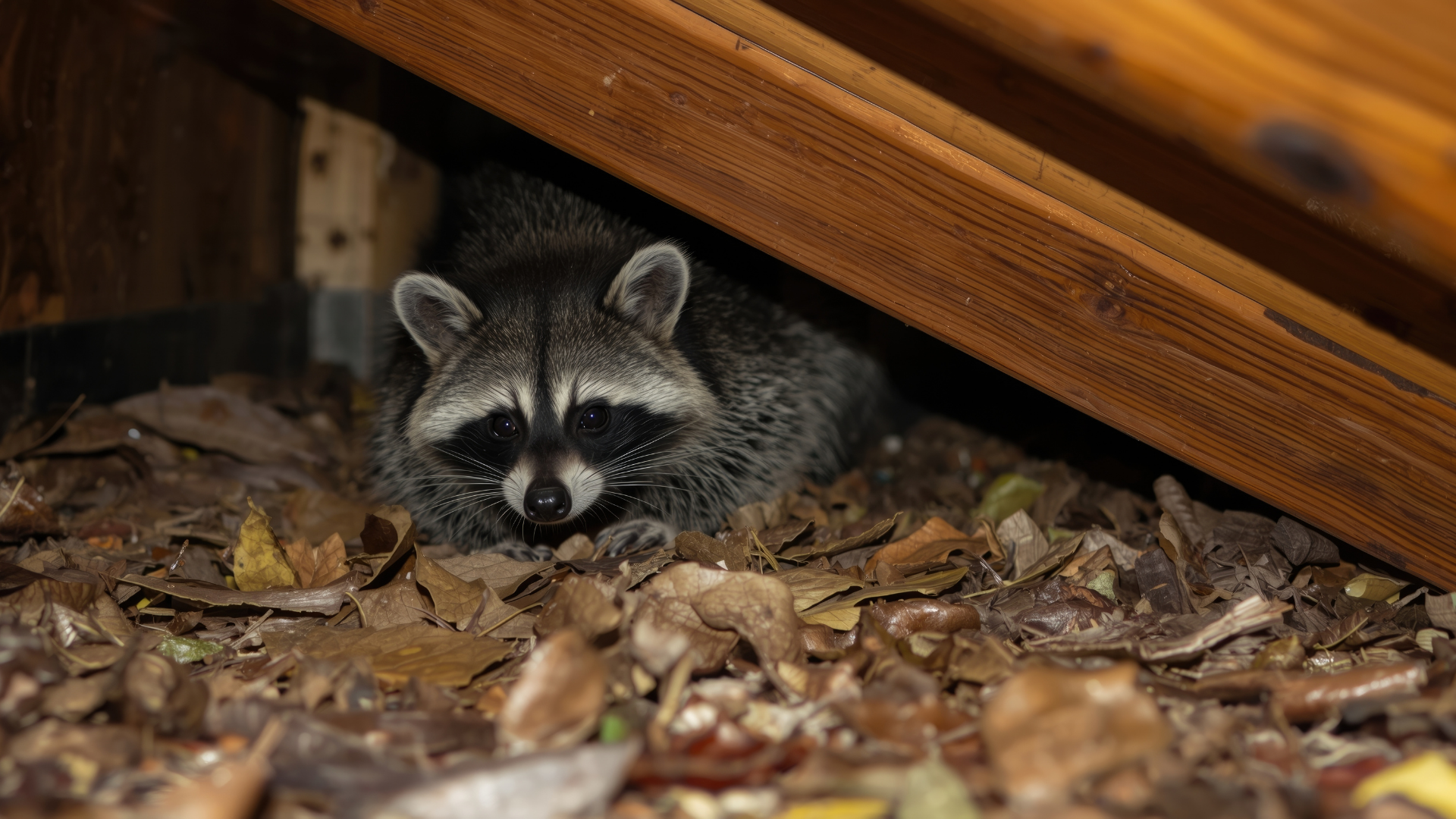
The types of plants used can also influence wildlife traffic. Fruiting trees, seed-producing flowers, and certain ornamental grasses double as food sources. Even if food is not abundant, the presence of insects attracted to particular plants can draw animals higher up the food chain. A yard with diverse vegetation can become an active feeding ground without the homeowner realizing it. This effect is often amplified when fallen leaves, mulch, or ground cover remain undisturbed, as these materials provide both nesting opportunities and protection from predators.
Plant placement matters just as much as plant selection. Vegetation that grows close to foundations, fences, or outbuildings creates natural bridges between wild areas and man-made structures. Animals tend to follow edges, moving along tree lines or dense plant borders where visibility is limited. When those edges lead directly to a home, wildlife encounters become more likely. Even well-maintained landscaping can unintentionally guide animals toward entry points if it forms continuous cover from the perimeter inward.
Water Features As Wildlife Magnets
Water is one of the strongest drivers of animal movement. Ponds, fountains, birdbaths, and irrigation runoff all provide hydration in environments where natural sources may be seasonal or scarce. Wildlife quickly learns where reliable water can be found, and those locations often become regular stops along daily travel routes. Once animals associate a property with access to water, they are more inclined to return repeatedly.
Standing water features tend to attract a wide range of species. Birds may arrive first, followed by small mammals and amphibians. Predators often follow prey, creating a layered chain of activity that extends beyond the original purpose of the feature. Even moving water, such as decorative streams or waterfalls, can be appealing because sound helps animals locate the source from a distance. During warmer months, these features become even more attractive as animals seek relief from the heat.
Irrigation practices also play a role. Overwatering can create damp soil and shallow puddles that support insects, worms, and plant growth favored by wildlife. Leaky hoses or poorly directed sprinklers may seem minor, yet they can establish consistent moisture zones that animals learn to revisit. In some cases, water runoff flows toward structures, softening soil and making burrowing easier for certain species. These subtle conditions can quietly increase the likelihood of animals settling closer than intended.
How Landscaping Shapes Wildlife Movement Routes
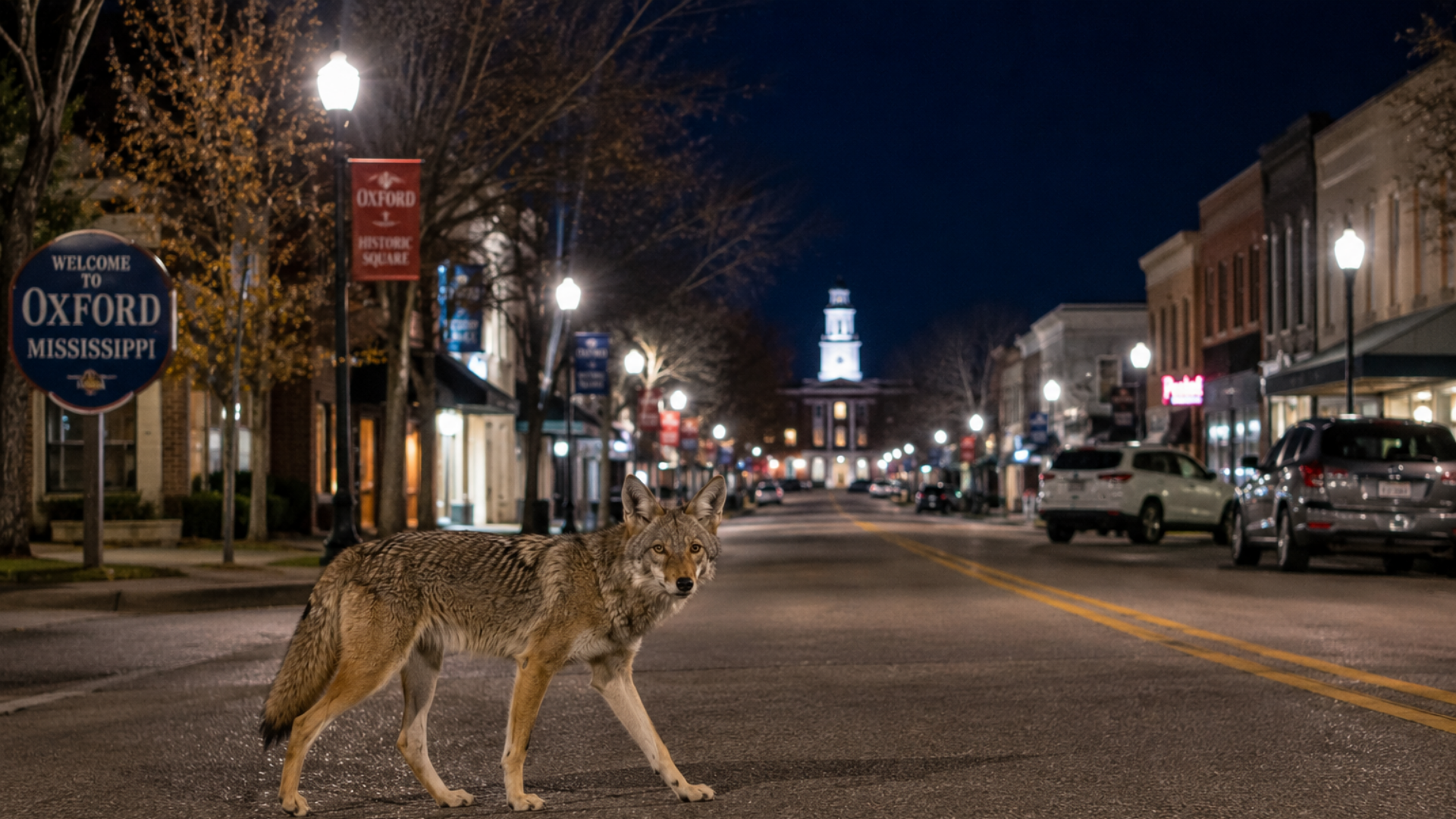
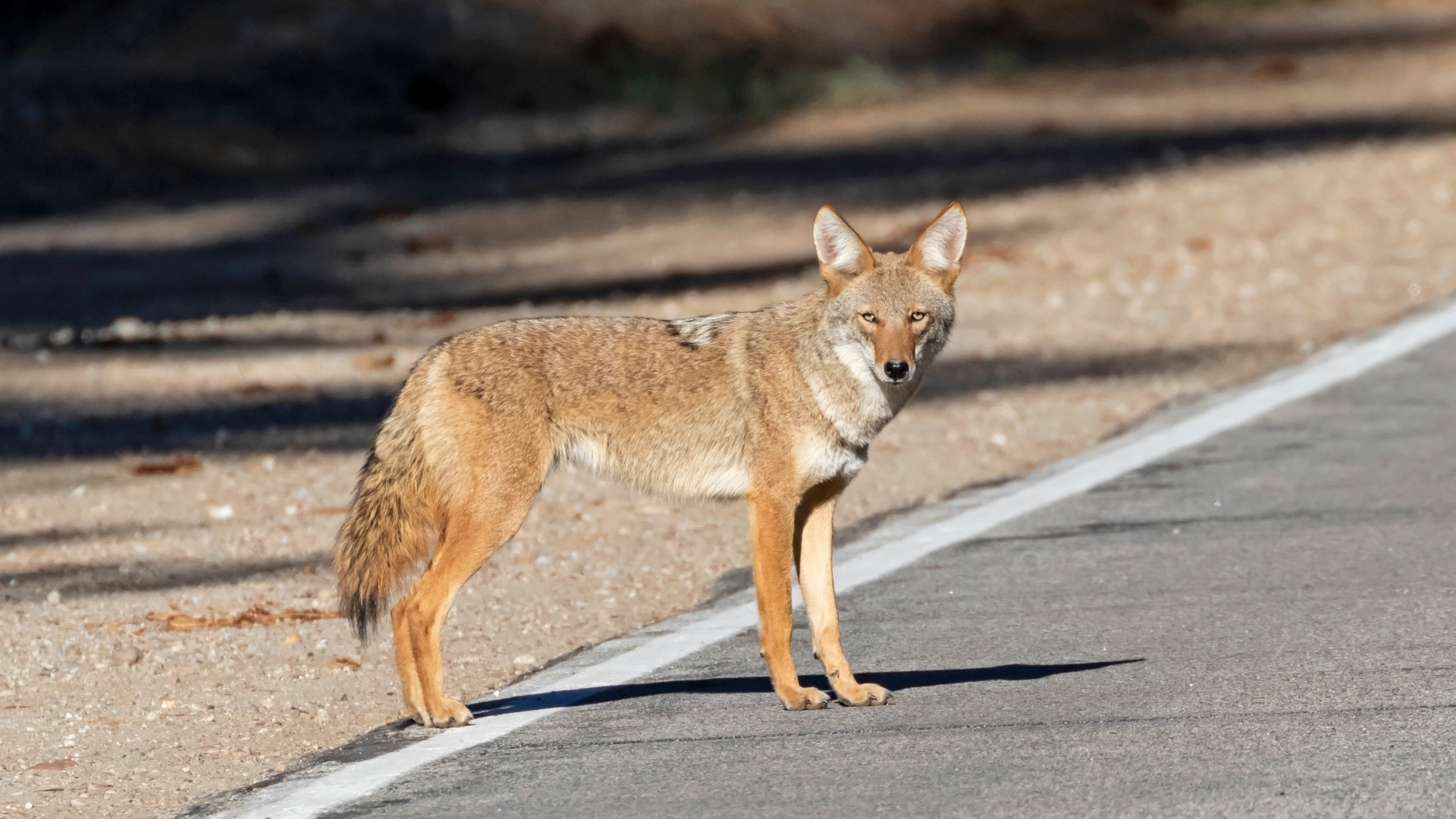
Animals rarely move randomly. They follow established paths that offer efficiency and protection. Landscaping can unintentionally reinforce these routes by creating clear travel lanes. For example, fences lined with shrubs or trees can act as highways for animals moving across a property. Retaining walls, raised garden beds, and decorative borders may also influence how wildlife navigates space, especially when they provide elevation changes or hiding spots.
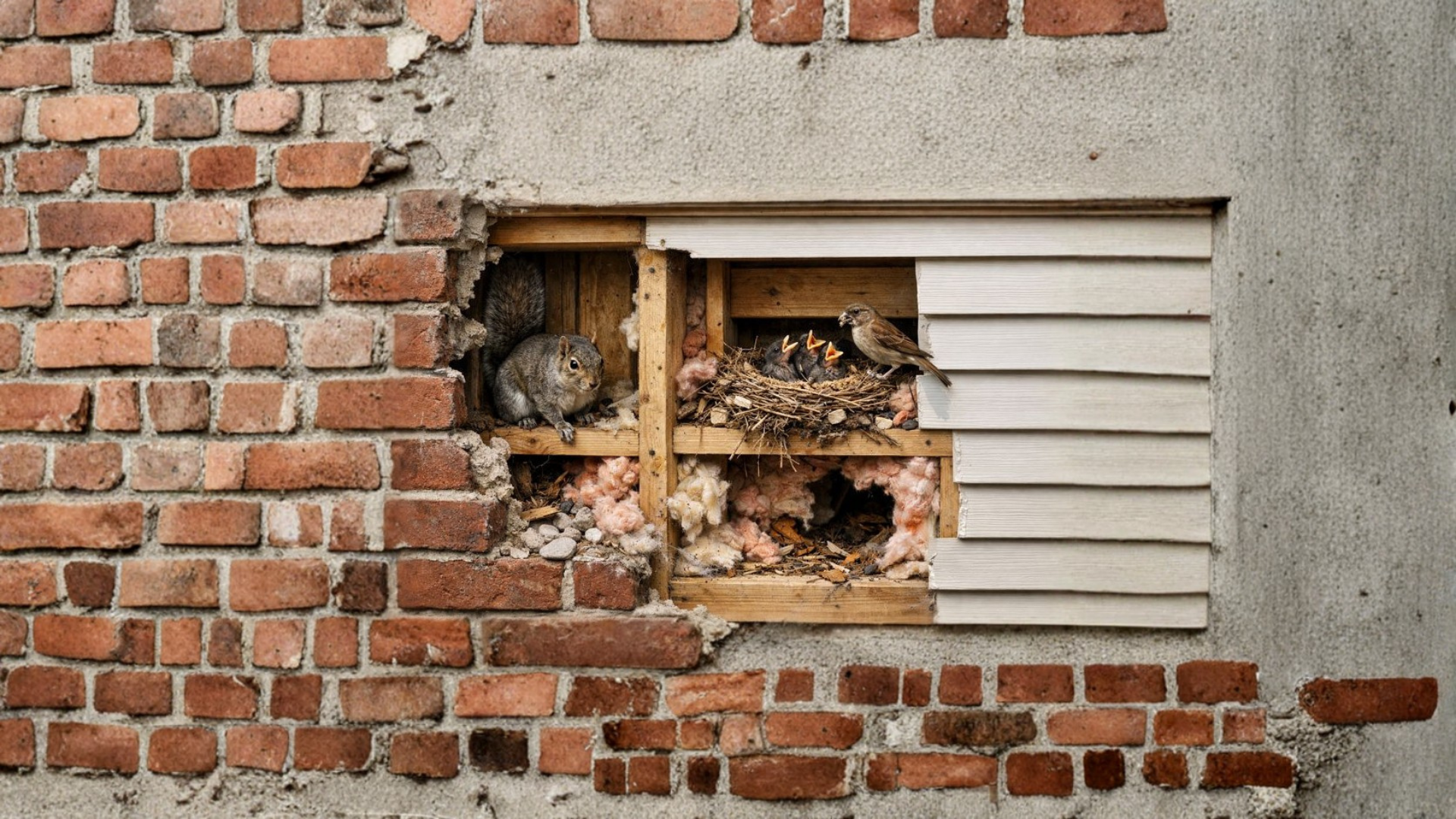
Lighting interacts with landscaping in ways that affect movement as well. Areas with heavy plant cover often remain darker at night, which many animals prefer. When open lawns are brightly lit, but borders remain shadowed, wildlife tends to hug the darker edges. This behavior concentrates activity near structures where vegetation meets buildings. Over time, these repeated movements can lead animals to discover gaps, vents, or sheltered areas that offer warmth or nesting potential.
Seasonal changes add another layer of complexity. As plants grow, shed leaves, or go dormant, the landscape shifts in ways animals notice immediately. A yard that feels open in winter may become dense by late spring, altering travel patterns. Water availability may increase during rainy periods or decrease during droughts, pushing wildlife to adjust routes accordingly. Landscaping that seems static to homeowners is, from an animal’s perspective, constantly changing and offering new opportunities.
Designing With Awareness And Balance
Reducing wildlife intrusions does not require eliminating the natural beauty of your property. It involves understanding how certain features influence behavior and making thoughtful adjustments. Strategic spacing between vegetation and structures can limit sheltered access points. Managing plant growth prevents the formation of hidden corridors. Water features can be designed and maintained in ways that reduce prolonged standing water while still enhancing the outdoor environment.
Awareness also extends to maintenance habits. Regular trimming, mindful irrigation, and seasonal cleanup all influence how inviting a property appears to wildlife. Small changes can disrupt established patterns, encouraging animals to remain in natural areas rather than moving closer to homes. When landscaping supports clear boundaries and minimizes attraction, wildlife tends to pass through rather than linger.
Landscaping choices quietly shape how wildlife interacts with residential and commercial spaces. Vegetation density, plant selection, water features, and layout all influence whether animals view a property as a convenient stop or an extension of their habitat. When wildlife activity becomes disruptive, professional guidance can make a meaningful difference. Wildlife Resolutions works with property owners to identify contributing factors and develop practical solutions that address intrusions at their source. Don't hesitate to
contact us today to take the first step toward creating a secure outdoor space that functions well while discouraging unwanted animal activity.