How Wildlife Occupies Exterior Wall Cavities
Animal Activity Within Siding And Masonry Systems
Exterior masonry assemblies and materials are designed to shield a structure from wind, precipitation, and temperature shifts. Behind those finished surfaces, however, are layered cavities that serve functional purposes such as drainage, ventilation, and insulation. When these hidden gaps become accessible from the outside, they can attract birds, squirrels, raccoons, bats, and other creatures seeking warmth and protection. What begins as a small entry point along siding seams or brick joints can lead to significant structural concerns inside the wall system.
Modern construction often incorporates weep holes, expansion gaps, soffit returns, and trim transitions. These components are essential for moisture management, yet they can unintentionally create inviting voids. Once a critter identifies an opening large enough to exploit, the sheltered environment within the cladding becomes an ideal nesting zone. Understanding how these spaces function and why they draw unwanted occupants is critical to preventing deeper deterioration.
How Exterior Voids Become Entry Points
Siding panels, brick veneer, and stone facades are rarely installed directly against framing. Builders leave an air gap to promote drainage and allow materials to expand and contract. Flashing and house wrap guide water downward, while small openings permit ventilation. When flashing deteriorates or sealants shrink, the protective envelope develops weaknesses that are difficult to notice from ground level.
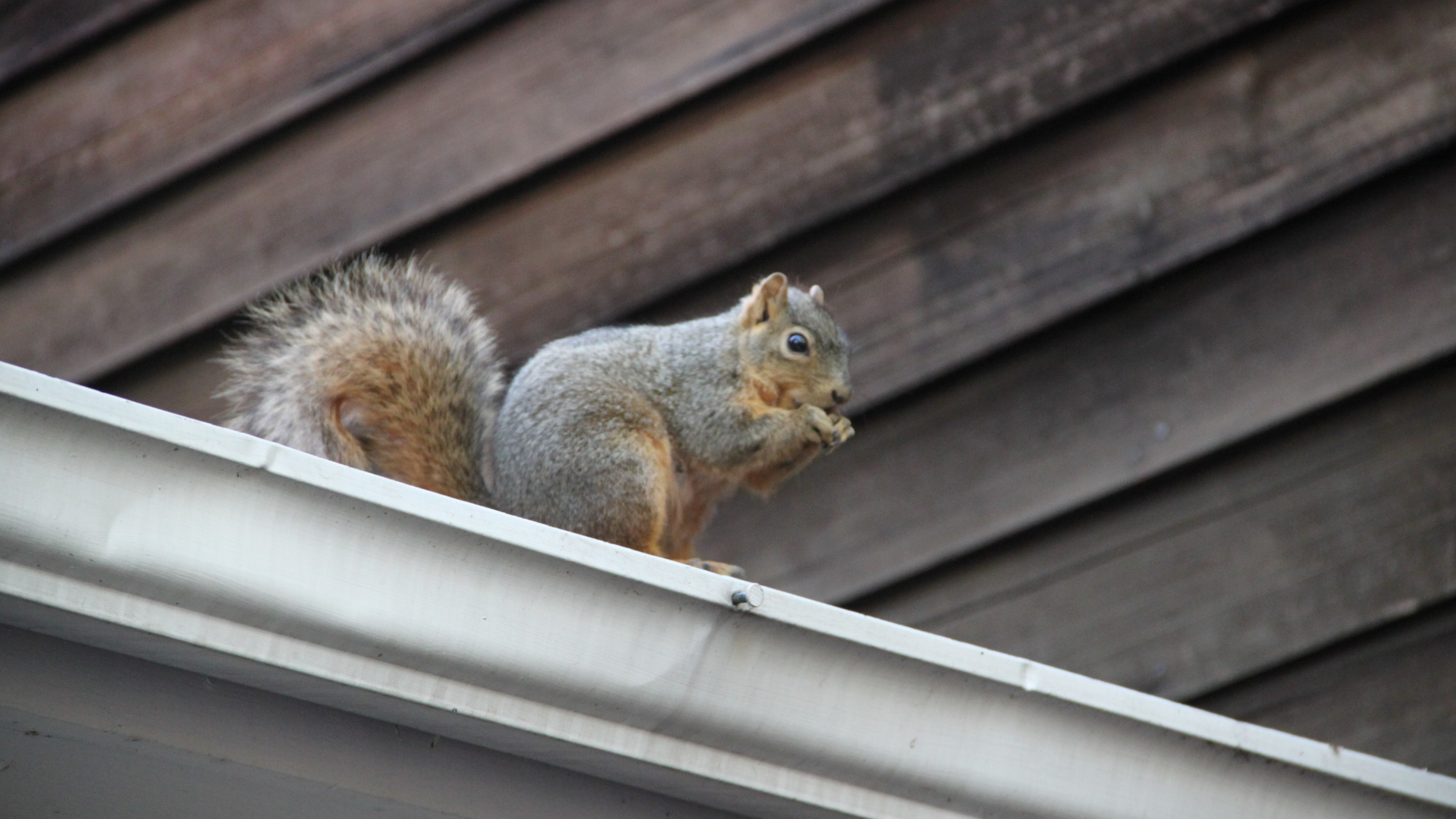
Gaps near rooflines are especially vulnerable. Fascia boards and soffits intersect with siding in complex ways, and small separations can form as lumber shifts. Birds may tug at loose trim to enlarge these spaces, while squirrels can chew through softer materials such as vinyl or wood composite. Even mortar joints can crack as a home settles, creating narrow fissures that become wider under freeze and thaw cycles.
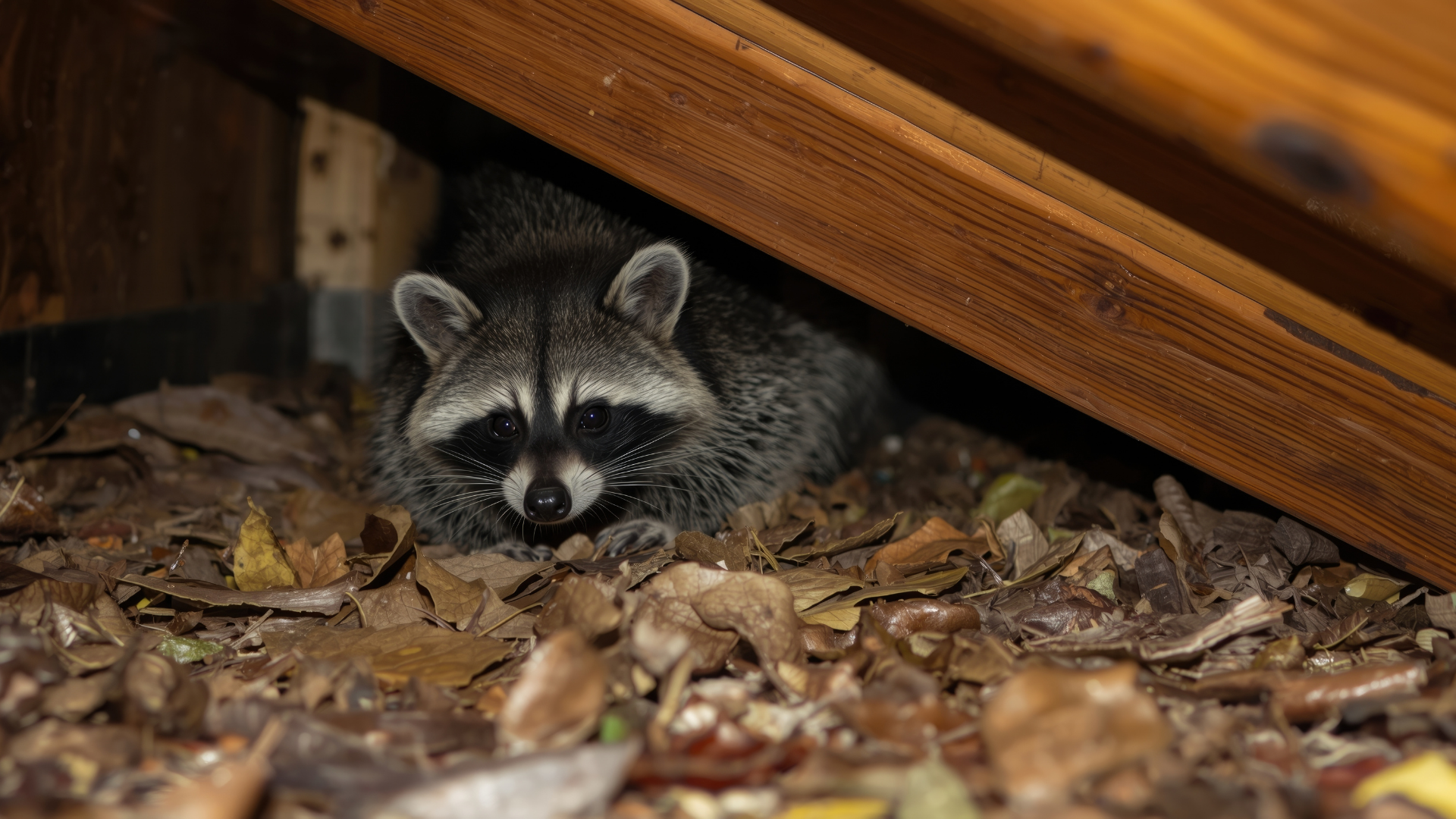
Once access is gained, the cavity behind the exterior surface offers darkness and insulation. The building’s interior heat radiates outward, raising temperatures inside the wall void. For nesting species, this microclimate provides shelter from predators and harsh weather. Because these cavities connect vertically from foundation to attic in many designs, movement within them is surprisingly easy. A raccoon that enters near the ground may travel upward through the wall chase and emerge in the upper levels.
Why Wall Cavities Support Nesting And Movement
The space behind siding and masonry acts as a protected corridor. Insulation, sheathing, and framing members create ledges and anchor points for nesting material. Birds may pack twigs and debris into narrow gaps, while rodents shred insulation to create soft bedding. These nests can block ventilation pathways, trap moisture, and compress insulation, reducing its thermal performance.
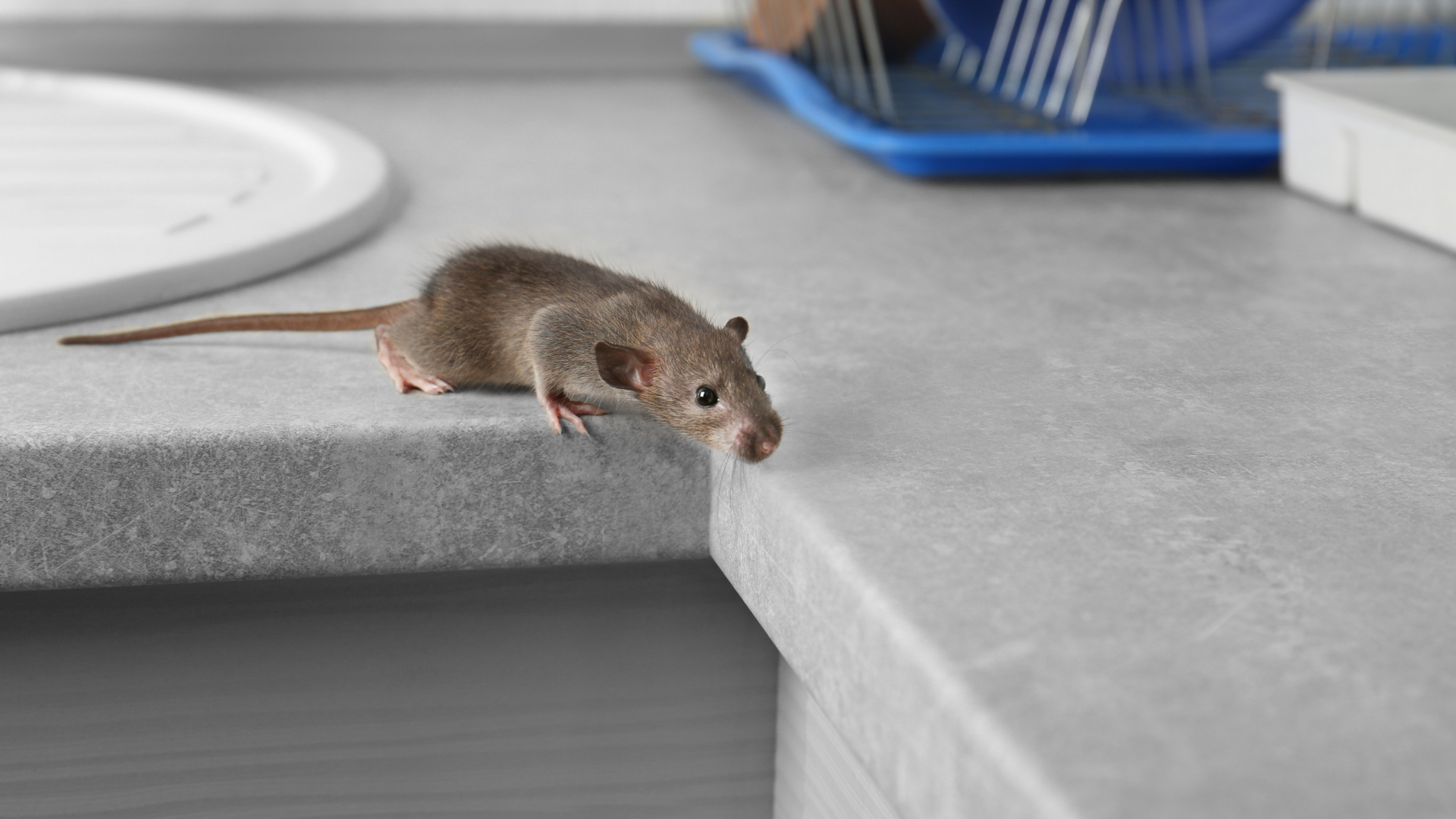
Movement within wall assemblies can also go undetected for extended periods. Scratching sounds may be faint, and visual signs are often limited to small staining marks near entry holes. Meanwhile, chewing and clawing can compromise structural elements. Electrical wiring that runs through wall cavities presents another risk. Rodents frequently gnaw on insulation around cables, exposing conductive components and increasing the potential for fire hazards.
Masonry veneer systems can be affected as well. When debris accumulates behind the brick, it can obstruct the weep holes that are intended to drain water. Trapped moisture may saturate the sheathing and framing, encouraging wood decay and mold growth. The added weight of wet nesting material can strain wall ties that secure brick to the structure. In extreme situations, sections of veneer may loosen.
These hidden conditions are difficult to evaluate without a trained eye. Surface materials can appear intact while substantial damage progresses within. By the time exterior staining, bulging panels, or crumbling mortar become visible, the underlying issue may already require extensive repairs.
Structural And Moisture Implications
Open voids behind cladding systems create an intersection between structural engineering and biological behavior. Animals do not distinguish between structural components and nesting material. If a squirrel needs to widen an opening, it may chew through plywood sheathing. If a raccoon needs space, it may pry at soffit panels or bend aluminum trim. These actions weaken the building envelope and allow water infiltration.
Water intrusion is particularly concerning in masonry systems. Brick and stone are porous and rely on proper drainage behind the veneer. When nests obstruct airflow, condensation can accumulate. Prolonged dampness deteriorates fasteners, corrodes metal ties, and fosters rot in adjacent wood framing. Even in siding systems, moisture trapped by debris can lead to swelling, warping, and staining.
Another factor is thermal efficiency. Insulation displaced by nesting activity loses effectiveness. Gaps in the thermal barrier allow conditioned air to escape and outside air to enter. Homeowners may notice higher energy bills without realizing that the cause lies inside the wall assembly. In colder climates, heat loss through compromised sections can contribute to ice dam formation along the roof edge, further aggravating water intrusion.
Beyond physical damage, biological waste presents additional complications. Droppings and urine accumulate within confined cavities, producing odors that migrate indoors. Certain species carry parasites that thrive in dark, insulated spaces. Cleaning and decontamination require specialized equipment and containment procedures to prevent cross-contamination.
Prevention And Professional Intervention
Preventing animal activity within siding and masonry systems involves more than patching a visible hole. A comprehensive inspection must trace potential access points along the entire exterior. This includes evaluating roof intersections, foundation gaps, attic vents, and utility penetrations. Small openings that seem insignificant can serve as gateways.
Durable exclusion materials are essential. Metal flashing, heavy-gauge screening, and properly installed trim components provide long-term resistance against chewing and prying. Sealants must be compatible with the building materials and flexible enough to accommodate expansion and contraction. For masonry structures, repairing mortar joints and maintaining clear weep holes are crucial steps in preserving drainage.
When occupants are already present, removal strategies should focus on minimizing additional damage. Sealing openings without addressing the animals inside can force them deeper into the structure. A structured plan identifies entry routes, monitors activity patterns, and ensures that the wall cavity is vacated before permanent repairs are completed. After removal, contaminated insulation and nesting debris must be extracted carefully to restore proper airflow and thermal performance.
Homeowners sometimes underestimate the complexity of these assemblies. What appears to be a minor issue at the surface often connects to a network of concealed spaces. Professional assessment combines knowledge of construction methods with an understanding of species behavior. This dual perspective allows technicians to locate hidden pathways and reinforce vulnerable transitions.
Animal intrusion behind siding and masonry is not simply a nuisance. It affects structural integrity, moisture control, insulation performance, and indoor air quality. The voids that help a building manage water and temperature can become concealed highways and nesting chambers when left unprotected. Addressing these conditions requires detailed inspection, precise exclusion work, and careful restoration of compromised materials. If you suspect activity within your walls or notice signs of entry around your exterior finishes, don't hesitate to
contact us
today at Wildlife Resolutions to schedule a thorough evaluation and discuss service options.