Blog
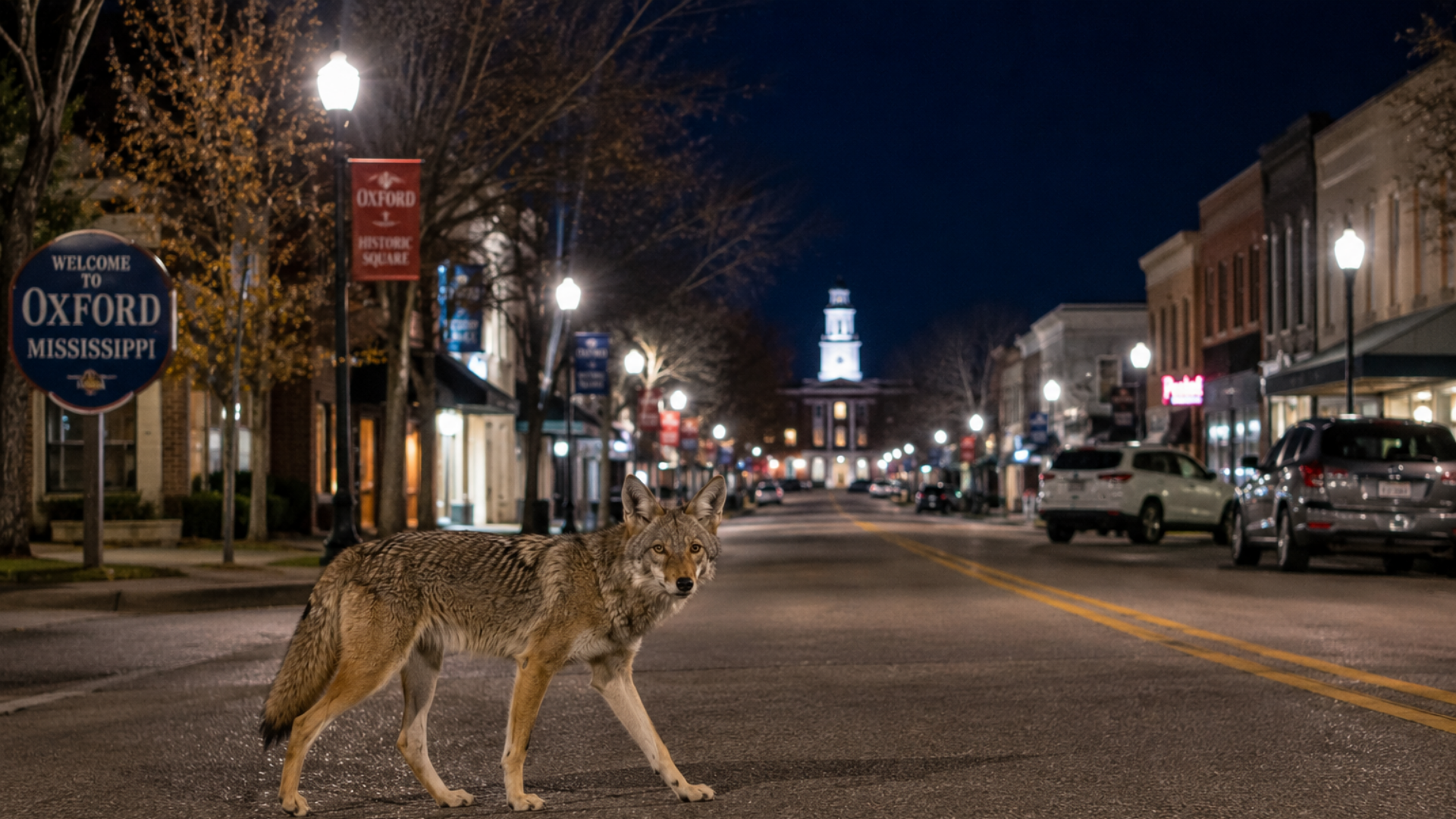
Highly adaptable behavior has allowed coyotes to establish territories in some of the busiest populated regions.
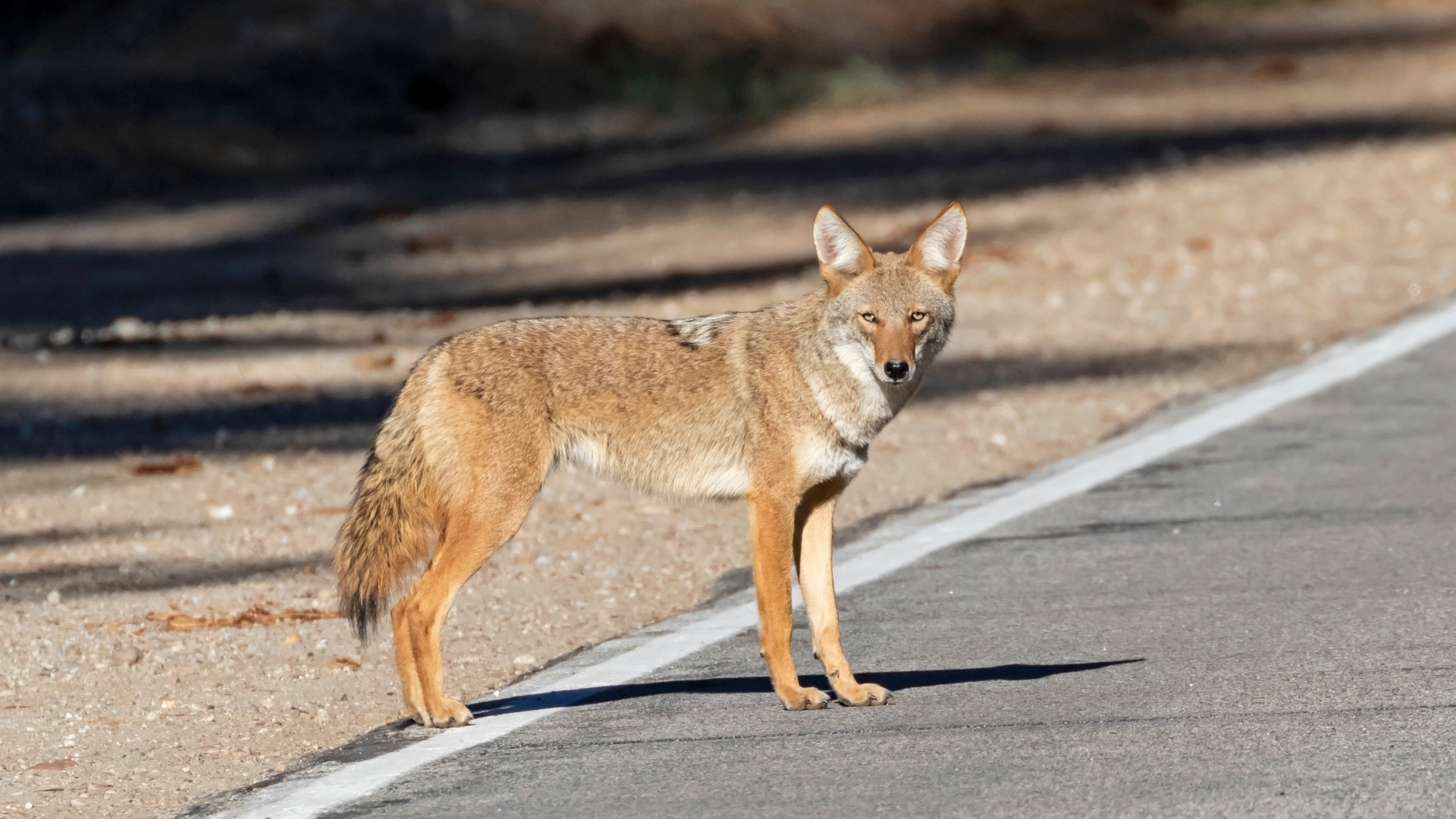
Golf courses, walking trails, retention ponds, greenbelts, and quiet suburban streets can all become regular travel routes for coyotes.

Locally operated companies provide faster response, more consistent service, and greater familiarity with area wildlife than large-scale providers.
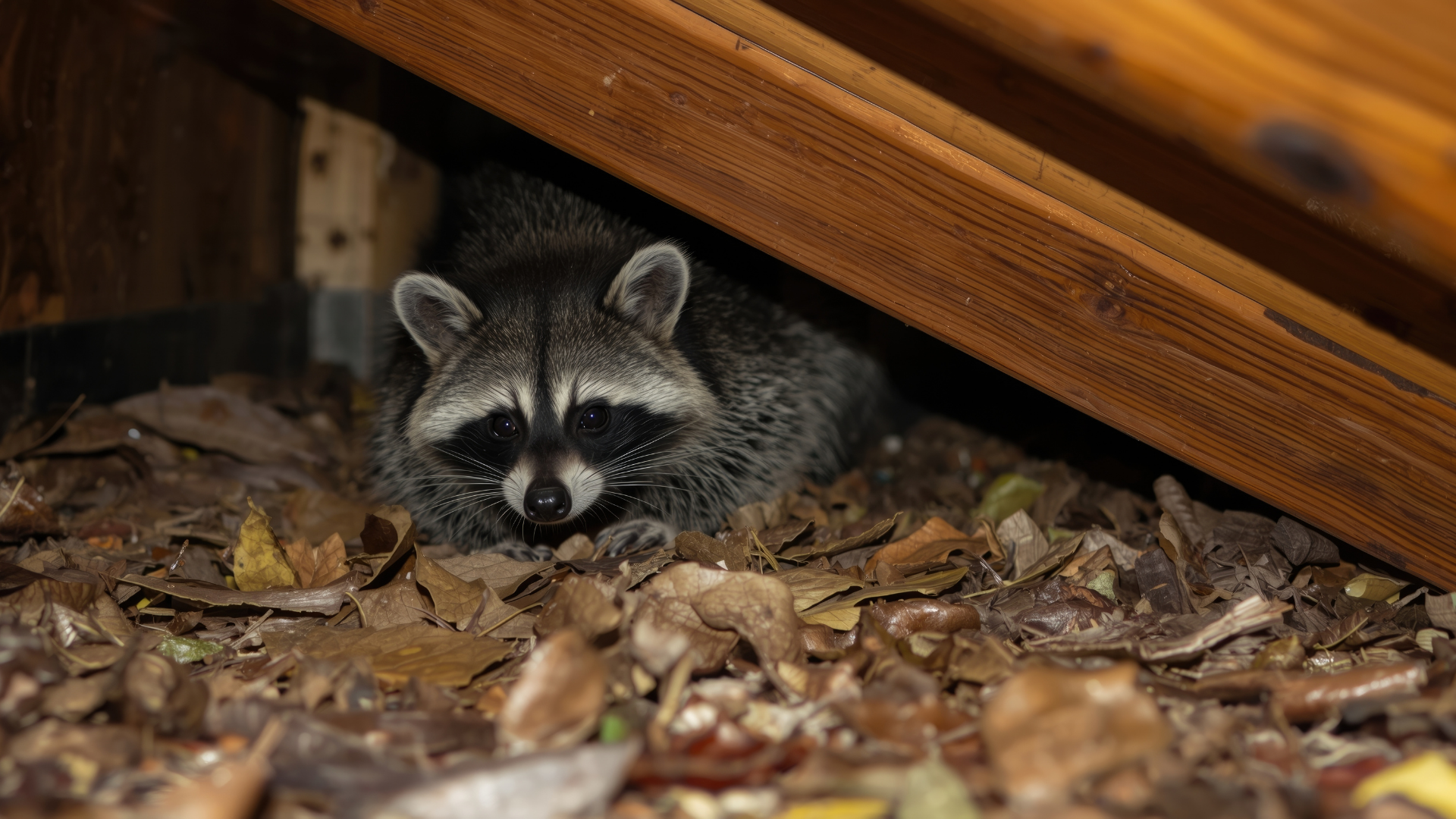
Environmental changes, structural disruptions, and shifts in food can quickly increase the likelihood of animals entering indoor spaces.

Open voids behind exterior materials allow nesting, movement, and ongoing damage to wall structures.

Territorial behavior drives return activity.

Vegetation and water features influence wildlife traffic.

Different species dominate depending on region, zoning, and building design.

Consistent cleaning, sealed entry points, and regular inspections create a strong defense against mice and rats year-round.

Animal waste, moisture, and gnawing lead to rot, mold, and framing issues.