Unexpected Places Coyotes Are Being Spotted In Residential Areas
Everyday Neighborhood Features Can Encourage Coyote Movement
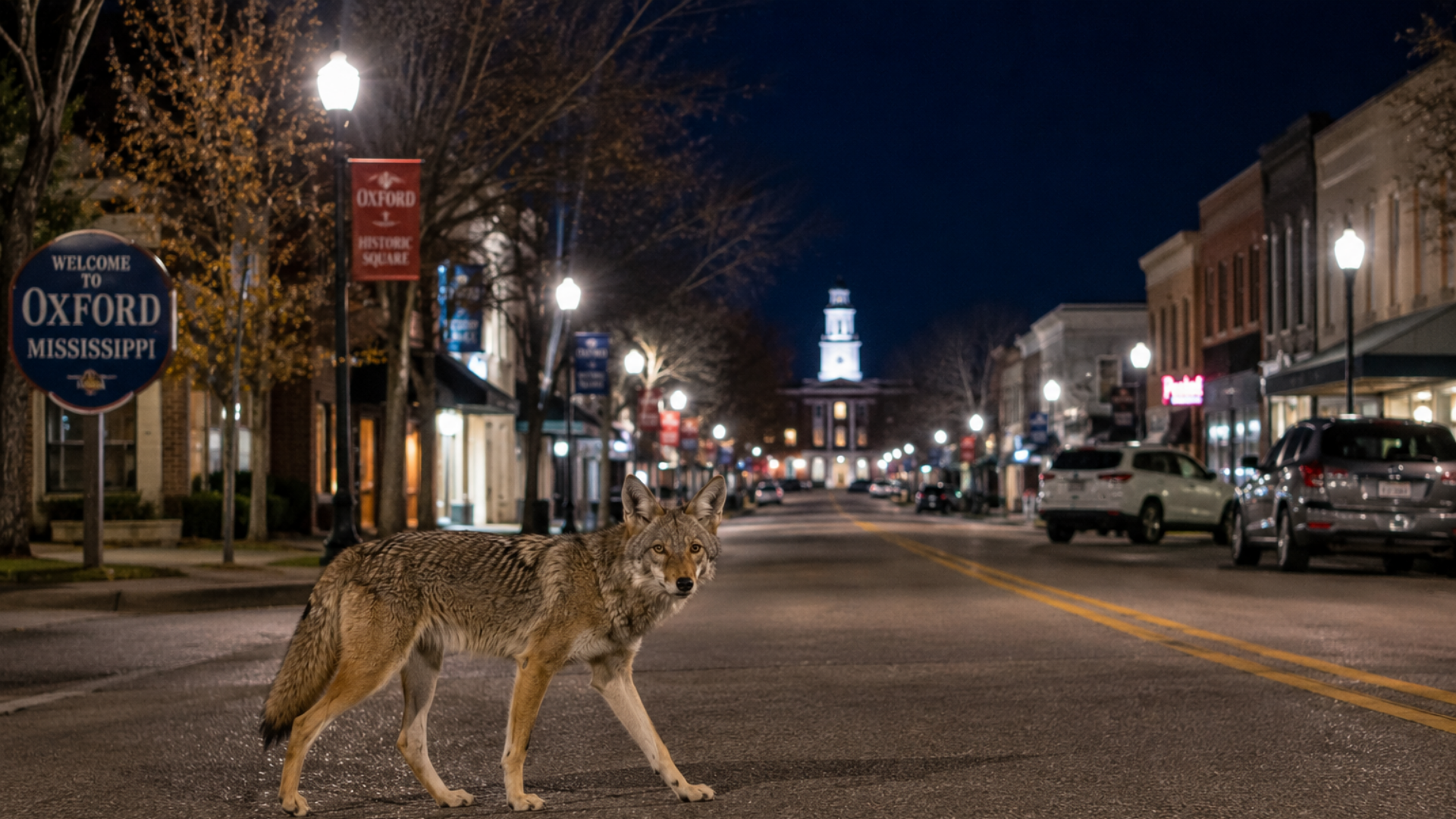
Coyote sightings are becoming far more common in suburban communities, and many homeowners are surprised by where these animals are turning up. Areas that once seemed far removed from wildlife activity are now serving as regular travel routes and hunting grounds. Golf courses, retention ponds, landscaped walking trails, and even quiet side streets are providing the exact mix of cover, food, and water coyotes need to move through developed neighborhoods without attracting much attention.
Modern suburban design unintentionally creates connected pathways that wildlife can use with little interruption. Greenbelts stretch between housing developments, drainage channels cut through neighborhoods, and wooded buffers line roads and trails. Coyotes are highly adaptable animals, so they quickly learn how to move through these spaces while avoiding people during busier hours of the day.
Many residents assume coyotes belong only in rural regions or heavily wooded land outside city limits. In reality, these animals adjust remarkably well to human development. They study patterns of movement, identify quieter sections of a neighborhood, and often become more active after sunset when traffic and outdoor activity begin to slow down. Because these animals are cautious and observant, they may remain in an area for quite a while before anyone realizes they are nearby.
Food availability also contributes to increased activity in residential zones. Outdoor pet feeding stations, unsecured trash containers, compost piles, fallen fruit, rodents, rabbits, and accessible water sources can support wildlife activity throughout an entire subdivision. Coyotes are opportunistic feeders, which means they take advantage of whatever resources are easiest to access. Even neighborhoods with manicured landscaping and dense development can support a surprising amount of prey.
Another factor driving sightings is the continued expansion of suburban construction. As natural habitat becomes fragmented, coyotes adapt by using the spaces left between roads, homes, and commercial areas. This creates more overlap between wildlife and people, particularly in communities built near wooded corridors or undeveloped property.
Golf Courses, Trails, And Retention Ponds
Golf courses have become one of the most overlooked locations for coyote activity in suburban areas. Large stretches of maintained grass, small wooded sections, ponds, and low nighttime activity create an ideal environment for wildlife movement. Rodents and rabbits are often abundant around these properties, providing a reliable food source that's close to nearby homes. Once darkness settles in, these open spaces frequently become quiet travel corridors connecting different sections of a neighborhood.
Walking trails and greenbelt systems can function much the same way. Long connected pathways bordered by vegetation allow coyotes to move through communities while remaining partially concealed. During daylight hours, these areas may seem busy and heavily used by residents. After dark, activity drops significantly, making the trails much more attractive to wildlife. These creatures can travel considerable distances along these routes without crossing heavily populated areas.
Retention ponds and drainage areas also play a major role in suburban wildlife activity. Water sources naturally attract animals, especially during hot or dry conditions. Tall grass, brush, and unmanaged vegetation surrounding ponds can provide excellent cover for coyotes as well as the smaller animals they hunt. In many neighborhoods, drainage easements connect multiple streets and green spaces together, creating uninterrupted travel routes that extend across large residential sections.
Homeowners living near these features may notice increased sightings near fences, sidewalks, or community common areas. Pets sometimes react to sounds or movement outside before people notice anything unusual themselves. Tracks near muddy pond edges, disturbed landscaping, or nighttime vocalizations can also indicate active wildlife nearby. Quiet suburban streets provide easy movement between feeding areas. Streetlights, parked vehicles, and fenced yards may seem like obstacles to people, but coyotes often navigate around them with little difficulty.
Neighborhood Conditions That Encourage Activity
Certain neighborhood features can unintentionally encourage coyotes to remain close to homes. Unsecured garbage containers are one of the most common attractants. Once wildlife discovers an easy food source, repeated visits often follow. Outdoor pet food can create the same issue, particularly overnight when they become more active.
Small pets left unattended outdoors after dark can increase the likelihood of close encounters. Coyotes are naturally curious and may investigate yards where animals are active during nighttime hours. Walking dogs near trails, ponds, or wooded sections of a neighborhood can also lead to unexpected interactions, particularly during breeding and denning seasons when they become more protective of territory.
There are also several misconceptions that contribute to confusion about coyote behavior. Some homeowners assume fences fully prevent wildlife access, yet coyotes are agile animals capable of squeezing through gaps or climbing certain barriers. Others believe daytime sightings automatically indicate illness. In many cases, any of these wild canines seen during daylight are most likely simply searching for food, traveling between locations, or responding to environmental pressures.
Reducing Encounters And Knowing When To Get Help
Reducing this kind of activity around residential property usually starts with limiting food availability and removing attractive shelter areas. Trash containers should remain tightly secured, fallen fruit should be cleaned up promptly, and outdoor cooking spaces should be maintained carefully to reduce lingering odors. Pet food and water bowls are best brought indoors overnight to avoid drawing wildlife closer to homes.
Landscaping maintenance can also make a noticeable difference. Trimming dense vegetation, improving visibility around fence lines, and reducing clutter around sheds or structures can discourage wildlife from lingering near a property. Homeowners living near trails, ponds, or greenbelts may benefit from increased outdoor lighting and greater awareness during evening hours.
Pet supervision becomes especially important after dark. Using leashes near wooded areas and avoiding unsupervised outdoor time for small animals can help reduce risk. Children should also understand the importance of avoiding wildlife encounters and reporting unusual animal behavior to adults.
There are situations where professional assistance becomes necessary. Frequent daytime sightings near homes, coyotes showing little hesitation around people, repeated pet-related incidents, or denning activity near structures can indicate a larger problem developing within the neighborhood. Continued activity despite prevention efforts may also suggest that a property or nearby area has become an established travel route.
Coyotes are becoming a more familiar presence in residential communities because suburban development continues to overlap with adaptable wildlife species. Understanding how these animals move through neighborhoods can help residents recognize why sightings are occurring in places that seem unexpected at first glance. Small property changes, better awareness, and early response to activity can reduce the chances of recurring encounters. If coyote activity around your home or neighborhood continues increasing,
contact us today at Wildlife Resolutions, so we can identify conditions contributing to your problems and provide professional wildlife control solutions that are tailored to the property.